
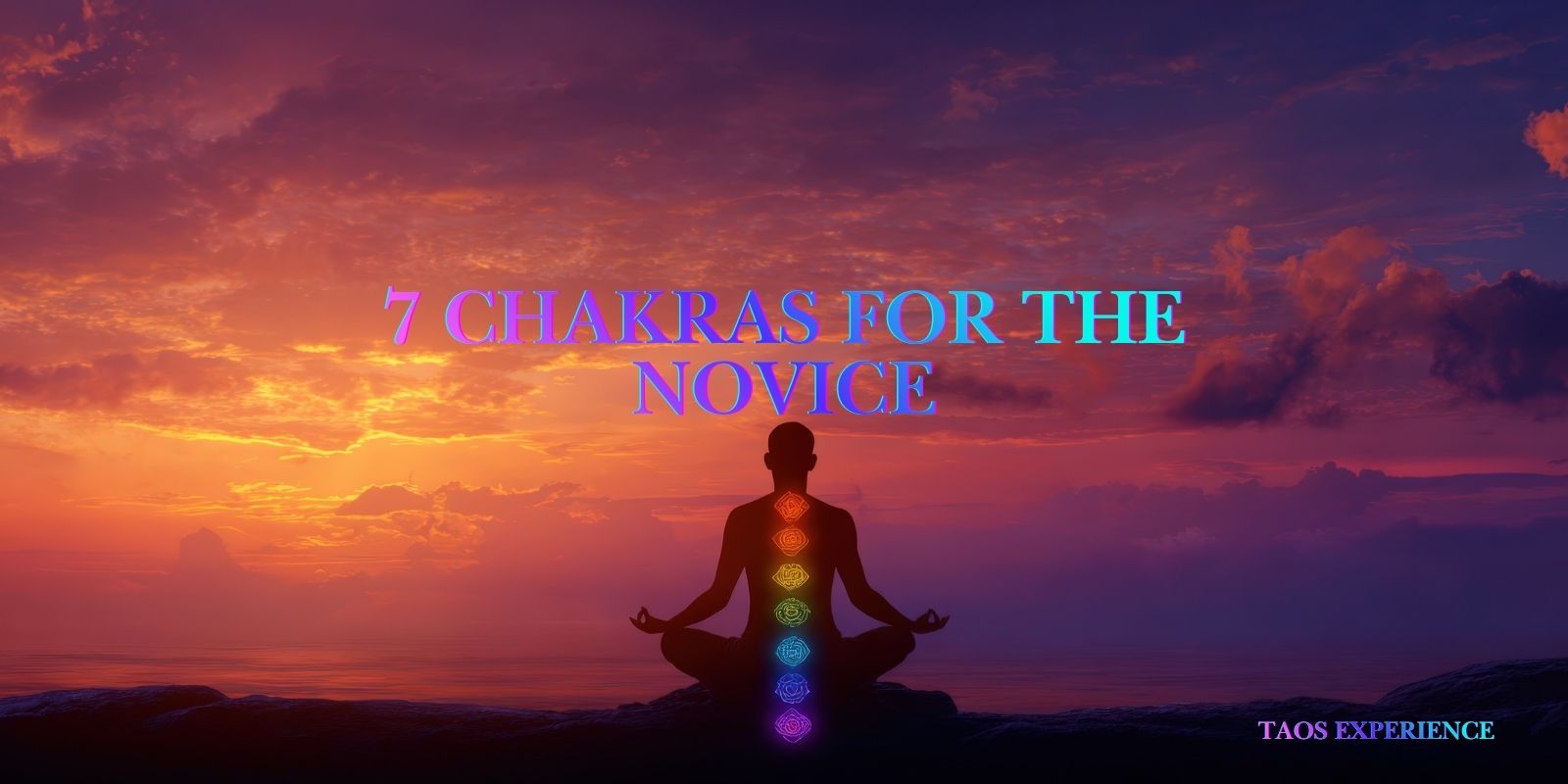
7 Chakras For The Novice: A Practical Guide to Understanding Your Energy System
7 Chakras For The Novice: The chakra system describes seven energy centers aligned along the spine, each associated with different emotional and physical experiences. When balanced, these centers support emotional stability, self-awareness, and healthy relationships. For beginners, learning how the chakras influence communication, creativity, personal power, and intuition can provide a helpful framework for mindfulness and self-development practices.
For many beginners exploring mindfulness or meditation, the concept of chakras can feel both intriguing and confusing. The chakra system originates from ancient yogic traditions and describes subtle energy centers within the body that influence physical health, emotional balance, and spiritual awareness. When people first hear about these centers, they often imagine mystical forces beyond everyday life. In reality, chakra awareness can be approached in a grounded and practical way, helping individuals better understand the connection between mind, body, and emotional well-being.
Modern psychology and neuroscience increasingly highlight the importance of nervous system regulation and emotional awareness. Interestingly, chakra teachings often mirror these ideas symbolically. Each chakra corresponds to certain emotional themes such as safety, creativity, communication, and intuition. By learning about these centers and observing how they relate to your own experiences, the system becomes less abstract and more like a reflective map of personal growth and self-understanding.
Table of Contents – 7 Chakras For The Novice
- Understanding the Chakra System
- The First Three Chakras: Stability and Personal Power
- The Heart Chakra and Emotional Connection
- Communication and Expression Through the Throat Chakra
- Intuition and Awareness in the Third Eye Chakra
- The Crown Chakra and Spiritual Awareness
- Practical Ways Beginners Can Balance Chakras
- Key Takeaways
- Frequently Asked Questions

Understanding the Chakra System
The chakra system describes seven primary energy centers aligned along the spine, beginning at the base and extending to the crown of the head. Each chakra represents a different aspect of human experience, including survival instincts, creativity, personal power, compassion, communication, intuition, and spiritual awareness. According to yogic philosophy, these centers regulate the flow of life energy known as prana. When this energy flows freely, individuals tend to experience emotional stability, clarity, and vitality.
Modern wellness perspectives often interpret chakras through psychological patterns rather than mystical explanations. For example, the root chakra reflects feelings of safety and security, while higher chakras relate to insight and meaning. Educational resources such as 7 Chakras Explained describe how these centers influence emotional awareness and personal growth. Understanding these patterns helps beginners recognize how stress, trauma, or emotional suppression can influence their sense of balance and well-being.
The First Three Chakras: Stability and Personal Power
The first three chakras focus on foundational aspects of life. The Root Chakra represents safety and grounding, encouraging individuals to feel secure in their bodies and environment. Above it sits the Sacral Chakra, associated with creativity, pleasure, and emotional flow. These centers help regulate basic instincts and emotional expression, shaping how people experience comfort, stability, and connection to their physical world.
The third energy center, often called the Solar Plexus Chakra, relates to personal confidence and decision-making. A balanced solar plexus supports healthy boundaries and a strong sense of identity. Those interested in deeper exploration can learn more through resources like Manipura Chakra, which explores how this center influences motivation and self-confidence. When these lower chakras function harmoniously, individuals often feel grounded, emotionally resilient, and capable of navigating everyday challenges.
In my studies of emotional resilience, I often notice that confidence rarely develops without a stable foundation of safety and emotional regulation. This mirrors the symbolism of the lower chakras, which emphasize grounding before higher awareness can fully develop.
The Heart Chakra and Emotional Connection
At the center of the chakra system lies the Heart Chakra, which represents compassion, empathy, and emotional openness. Positioned between the lower survival-focused chakras and the higher awareness centers, it acts as a bridge connecting instinct and insight. A balanced heart chakra supports healthy relationships and encourages individuals to approach life with both kindness and emotional clarity.
When emotional wounds accumulate, this chakra can become guarded or overly sensitive. Learning about emotional patterns through resources such as The Heart Chakra can help individuals understand how compassion and boundaries coexist. Emotional balance often emerges when people learn to care for others while also respecting their own emotional needs and limits.
Communication and Expression Through the Throat Chakra
The Throat Chakra governs communication and authentic self-expression. It influences how individuals share ideas, listen to others, and articulate emotions. When this energy center is balanced, people tend to communicate clearly and confidently while remaining respectful of different perspectives. The throat area also reflects nervous system states; stress often tightens the neck and jaw, making communication feel strained or defensive.
One pattern I’ve noticed when studying communication is that people speak most clearly when they feel emotionally safe. The chakra system symbolically reflects this idea. Learning about the throat center alongside intuitive awareness practices described in The 3rd Eye Chakra encourages deeper listening and thoughtful expression, helping individuals communicate with both clarity and empathy.
Intuition and Awareness in the Third Eye Chakra
The Third Eye Chakra represents perception, intuition, and insight. Located between the eyebrows, it is often associated with inner wisdom and the ability to observe experiences objectively. In psychological terms, this center symbolizes reflective awareness—the capacity to step back and notice thoughts, emotions, and patterns without immediate reaction.
Meditation practices often activate this reflective state by calming the nervous system and improving attentional focus. Educational resources such as The Seven Chakras for Beginners describe how developing awareness in this chakra can improve decision-making and emotional clarity. For beginners, strengthening intuitive awareness often begins with simple mindfulness exercises that encourage curiosity rather than judgment.
The Crown Chakra and Spiritual Awareness
The final energy center, the Crown Chakra, sits at the top of the head and represents expanded awareness and spiritual connection. While lower chakras relate to practical aspects of life, the crown symbolizes broader meaning and perspective. Individuals with a balanced crown chakra often report a sense of purpose and an ability to see challenges within a larger context.
From a psychological viewpoint, this chakra represents existential reflection and curiosity about life’s deeper questions. Practices such as meditation, contemplative journaling, and time in nature often encourage this sense of connection. Rather than focusing solely on mystical ideas, beginners may benefit from viewing the crown chakra as a symbol of curiosity, wisdom, and openness to learning.
Practical Ways Beginners Can Balance Chakras
For beginners, balancing chakras does not require complex rituals or spiritual expertise. Many effective practices involve simple lifestyle habits that support emotional regulation and physical relaxation. Breathwork, gentle yoga, and mindfulness exercises encourage nervous system stability, allowing energy to move more freely through the body.
Practitioner-style reflections often highlight that consistency matters more than intensity. Short daily practices tend to create more lasting change than occasional long sessions. Activities such as journaling, creative expression, and time spent in natural environments often support emotional balance while helping individuals become more aware of their internal experiences.
One pattern I’ve noticed among beginners is that curiosity creates more progress than pressure. Approaching chakra work with patience allows individuals to develop awareness gradually, building a sustainable relationship with their own emotional and energetic patterns.
7 Chakras For The Novice: Begin Your Energy Awareness Journey
Understanding 7 Chakras For The Novice is not about mastering an ancient system overnight. Instead, it invites you to observe how your emotions, body sensations, and thoughts interact throughout daily life. As awareness grows, these seven symbolic centers become helpful guides for personal reflection and emotional balance. By approaching the chakra system with curiosity and compassion, beginners can gradually develop a deeper relationship with themselves and the rhythms of their inner world.
Key Takeaways
- The chakra system describes seven energy centers connected to emotional and physical well-being.
- Lower chakras relate to safety, creativity, and personal power.
- Middle chakras support emotional connection and communication.
- Higher chakras encourage intuition, awareness, and spiritual reflection.
- Simple practices like meditation, breathwork, and journaling help beginners balance their chakras.
Frequently Asked Questions – 7 Chakras For The Novice
What are the 7 chakras and their significance?
The seven chakras are energy centers that influence emotional, physical, and spiritual well-being. They range from the grounding Root Chakra to the intuitive Crown Chakra.
How do I know if my chakras are blocked?
Signs of imbalance may include emotional stress, communication difficulties, low confidence, or feelings of disconnection. Awareness and mindfulness practices can help restore balance.
What are simple ways beginners can balance chakras?
Breathwork, meditation, yoga, journaling, and time in nature are common beginner-friendly practices that support chakra balance.
Can lifestyle habits influence chakra health?
Yes, healthy sleep, balanced nutrition, stress management, and emotional awareness all support the energy flow associated with chakras.
How long does it take to align the chakras?
The process varies for each person. Some people notice changes quickly, while others experience gradual shifts through consistent mindfulness and self-care practices.
Comments
One response to “Guide To The 7 Chakras For The Novice – Right Fundamentals”
[…] you really want to give your girls a treat of a lifetime, the sky booth package is definitely the right option for you. In this package, the private waiters […]