
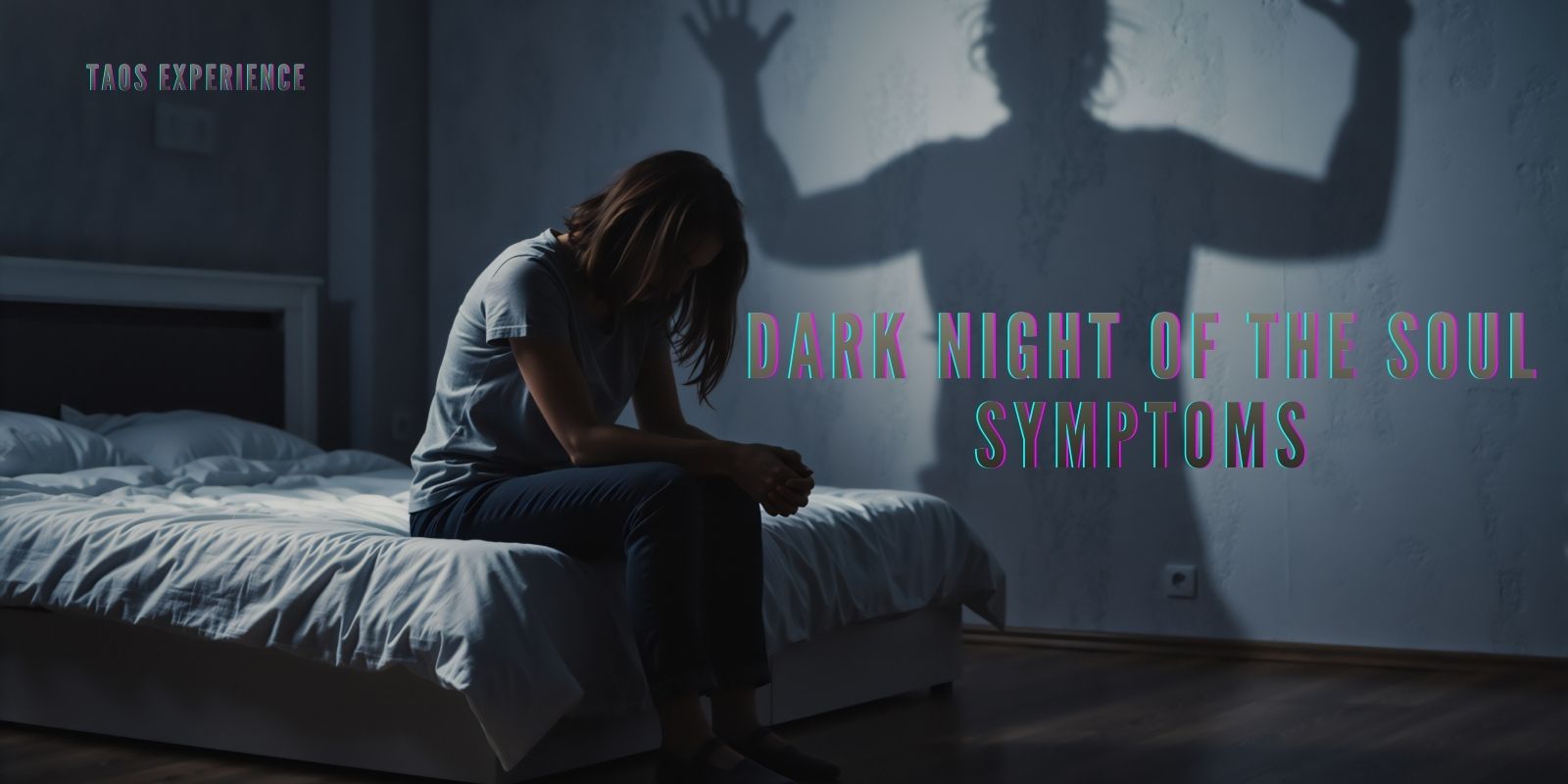
Dark Night of the Soul Symptoms Explained: Navigating the Breakdown Before Breakthrough
Dark Night of the Soul Symptoms can feel confusing, isolating, and destabilizing. Many people describe this phase as a collapse of identity, purpose, or emotional certainty. What once felt meaningful may suddenly feel hollow. While deeply uncomfortable, this experience is not necessarily pathological. In spiritual traditions, it represents a dismantling of false structures before a more authentic self emerges.
From a psychological perspective, this period often overlaps with nervous system dysregulation and attachment wounds surfacing. The body may feel unsafe without clear external reasons. Understanding Dark Night of the Soul Symptoms through both spiritual and scientific lenses helps normalize the experience and reduce unnecessary fear.
Dark Night of the Soul Symptoms include emotional emptiness, identity loss, detachment, existential questioning, and nervous system shifts. While distressing, this phase often signals deep transformation. By understanding psychological and spiritual dimensions, individuals can navigate the experience with greater safety and self-compassion.
Table of Contents – Dark Night of the Soul Symptoms
- What Is the Dark Night of the Soul?
- Emotional Dark Night of the Soul Symptoms
- Physical and Nervous System Changes
- Attachment Patterns During the Dark Night
- Spiritual Awakening and Identity Collapse
- Impact on Relationships and Intimacy
- Healing and Integration
- Key Takeaways
- Frequently Asked Questions
What Is the Dark Night of the Soul?
The Dark Night of the Soul originates from mystical traditions describing a period of spiritual desolation preceding transformation. Unlike ordinary sadness, this state often involves a profound sense of meaninglessness. The structures that once defined identity begin to dissolve.
In my studies, I have observed that individuals entering this phase frequently report losing interest in previous goals or achievements. It can resemble depression, yet it often carries a subtle undercurrent of awakening. The discomfort arises because the old identity no longer fits, while the new one has not fully formed.
This article on 18 signs you’re going through a dark night of the soul outlines many experiential markers people recognize during this transition.
Emotional Dark Night of the Soul Symptoms
Dark Night of the Soul Symptoms often include emotional numbness, sudden grief, and existential anxiety. Individuals may feel disconnected from joy or purpose. Emotions surface in waves, sometimes without a clear trigger.
One pattern I’ve noticed is heightened self-reflection combined with self-doubt. Old coping mechanisms stop working. External validation no longer satisfies. The psyche begins demanding authenticity rather than performance.
Additional emotional experiences can include:
- Persistent questioning of life direction
- Feeling spiritually abandoned
- Increased sensitivity to dishonesty or misalignment
- Withdrawal from superficial interactions
- Intense desire for solitude
Physical and Nervous System Changes
The nervous system plays a significant role in Dark Night of the Soul Symptoms. Chronic stress responses may fluctuate between sympathetic activation and dorsal vagal shutdown. This can manifest as fatigue, insomnia, appetite changes, or body tension.
From a polyvagal perspective, identity shifts feel threatening because the brain equates uncertainty with danger. The body reacts as if survival is at stake. In therapeutic contexts, slow regulation practices often stabilize emotional intensity.
This reflection on dark night of the soul symptoms and solutions emphasizes practical approaches to moving through this period safely.
Attachment Patterns During the Dark Night
Attachment wounds frequently surface during this phase. Anxiously attached individuals may feel abandoned by God, partners, or community. Avoidantly attached individuals may detach further, interpreting vulnerability as weakness.
In my experience, this period strips away relational masks. It becomes difficult to tolerate inauthentic connections. The discomfort encourages secure attachment behaviors, such as honest communication and emotional accountability.
Dark Night of the Soul Symptoms often intensify before relational healing occurs. The psyche demands deeper intimacy rather than surface harmony.
Spiritual Awakening and Identity Collapse
Many people mistake Dark Night of the Soul Symptoms for failure in spiritual growth. In reality, the collapse of ego structures often precedes awakening. The self-image constructed from roles, achievements, or beliefs dissolves.
Exploring themes within Signs of Spiritual Awakening can clarify how breakdown and awakening coexist. Disorientation frequently signals expansion rather than regression.
As identity softens, values reorganize. Material success or validation may lose importance. Meaning becomes internally defined rather than externally assigned.
Impact on Relationships and Intimacy
Dark Night of the Soul Symptoms can affect romantic and sexual dynamics. Emotional withdrawal or heightened vulnerability may confuse partners. Communication often becomes strained as one person undergoes internal restructuring.
Some individuals question previous expressions of sexuality or ambition, including areas explored in body image and sexual confidence. These inquiries are less about physical change and more about identity authenticity.
Similarly, insights from Tantric Yoga and Its Effects on Orgasms illustrate how intimacy evolves when consciousness deepens. Pleasure becomes less performative and more embodied.
Healing and Integration
Healing during the dark night involves nervous system regulation, supportive relationships, and patient self-inquiry. This phase cannot be rushed. Attempts to escape discomfort often prolong it.
One pattern I’ve noticed is that when individuals allow grief and uncertainty to exist without immediate resolution, clarity gradually returns. Integration emerges quietly rather than dramatically.
Grounded practices such as journaling, therapy, breathwork, and embodied movement support stabilization. Over time, the identity that emerges feels less rigid and more compassionate.
Dark Night of the Soul Symptoms
Dark Night of the Soul Symptoms signal profound transformation rather than permanent loss. While destabilizing, this phase invites authenticity, emotional depth, and nervous system resilience. If you are navigating this experience and seeking grounded guidance, explore supportive teachings and integration tools designed to help you move through awakening with stability and strength.

Key Takeaways
- Dark Night of the Soul Symptoms often involve identity collapse and emotional upheaval.
- Nervous system dysregulation contributes to fatigue, anxiety, and withdrawal.
- Attachment patterns surface and invite relational honesty.
- This phase frequently precedes authentic spiritual awakening.
- Integration requires patience, regulation, and compassionate self-reflection.
Frequently Asked Questions – Dark Night of the Soul Symptoms
Are Dark Night of the Soul Symptoms the same as depression?
They can overlap, but the dark night often includes existential transformation alongside distress.
How long does the dark night last?
Duration varies widely depending on personal history and support systems.
Can relationships survive this phase?
Yes, especially when communication and emotional honesty increase.
Is professional help recommended?
Therapy can provide valuable stabilization during intense emotional shifts.
Does everyone experience a dark night?
Not everyone does, but many people undergoing deep transformation encounter similar symptoms.