
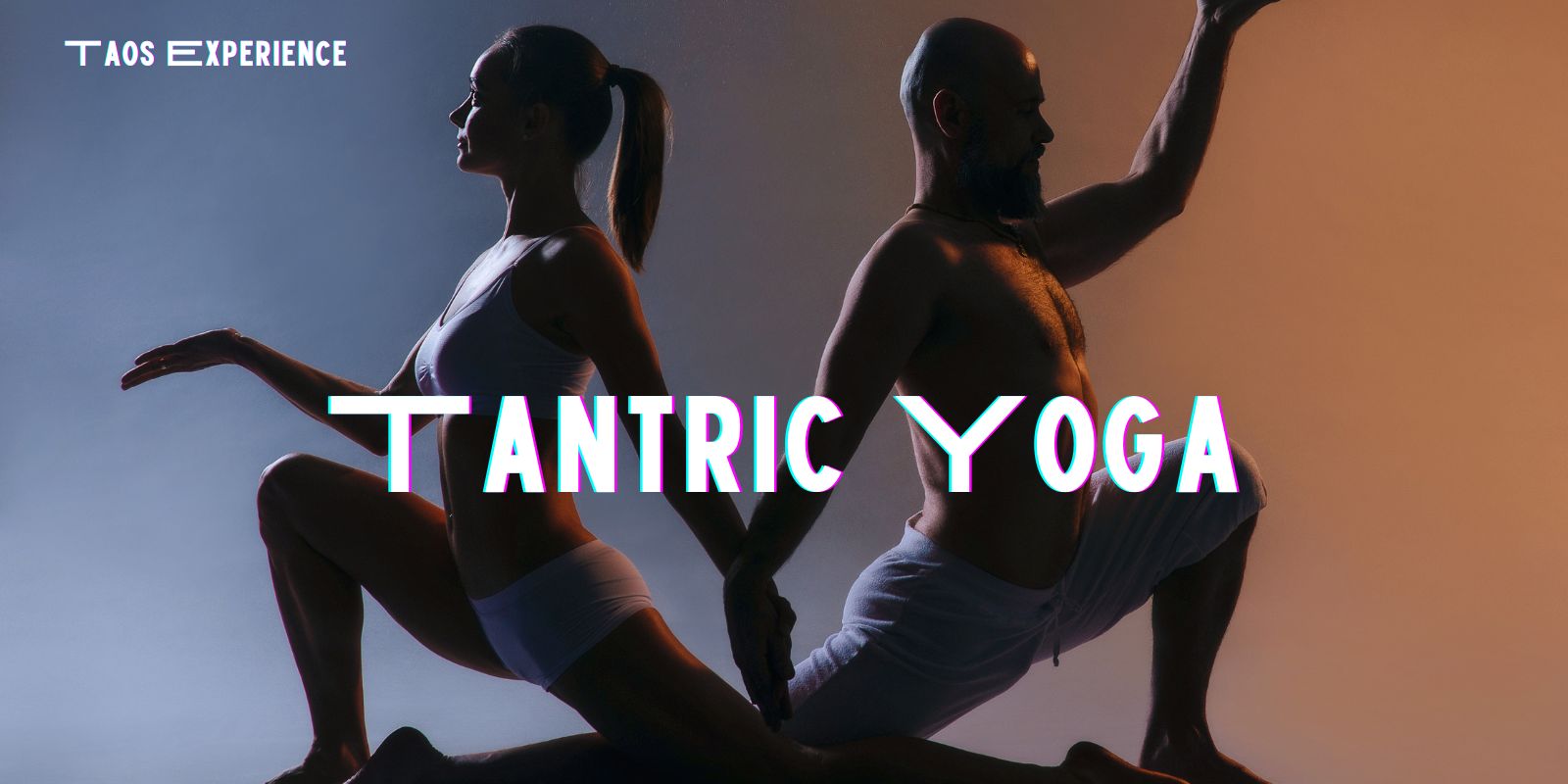
Tantric Yoga: A Mindful Path to Energy, Awareness, and Deep Connection
Tantric yoga is often misunderstood in modern culture, frequently reduced to ideas about sexuality or intimacy. In reality, the practice is far broader and more meaningful. Rooted in ancient spiritual traditions, tantric yoga focuses on awareness, energy flow, and deep connection between the mind and body. Through breathwork, meditation, and intentional movement, practitioners learn to regulate their nervous system and cultivate a calmer, more grounded relationship with themselves.
From a psychological perspective, tantric yoga can be viewed as a mindfulness-based practice that helps people reconnect with their inner experience. When we slow down our breathing, move with intention, and observe sensations in the body, the brain shifts from stress-driven survival responses toward states of relaxation and emotional openness. This shift creates space for deeper insight, improved emotional regulation, and a stronger sense of connection to both ourselves and others.
Table of Contents
- Understanding the Meaning of Tantric Yoga
- Tantric Yoga vs Tantric Sex
- Benefits of Tantric Yoga for Mind and Body
- Tantric Yoga Poses to Begin Practicing
- Integrating Tantric Yoga Into Daily Life
- Key Takeaways
- Frequently Asked Questions

Understanding the Meaning of Tantric Yoga
At its core, tantric yoga is a practice that helps individuals become aware of the subtle energy moving through the body. Rather than focusing only on physical exercise, it encourages practitioners to observe their breath, emotions, and internal sensations. According to a detailed overview of tantric yoga from Healthline, the practice blends meditation, movement, and conscious awareness to help people cultivate deeper connection with their inner experience.
Historically, tantra developed as a spiritual path emphasizing unity between body, mind, and consciousness. Modern practitioners often interpret these teachings through psychological frameworks such as mindfulness and emotional regulation. When breath slows and attention deepens, the nervous system shifts away from stress-driven patterns and toward calm presence. One pattern I’ve noticed while studying mindfulness-based practices is that individuals often discover emotions stored in the body, allowing them to process feelings that previously remained unnoticed.
Some teachers describe tantric yoga as a bridge between physical movement and energetic awareness. By combining posture, breathing, and meditation, practitioners gradually learn to direct their attention inward. Resources such as this guide explaining tantra yoga foundations often emphasize that the goal is not perfection in poses but deeper awareness of the body’s natural rhythms.
Tantric Yoga vs Tantric Sex
Many people assume tantric yoga and tantric sex are the same thing, yet they represent different expressions of the same philosophical tradition. Tantric yoga primarily focuses on meditation, breath awareness, and spiritual development. It encourages practitioners to cultivate energy internally through movement and conscious attention. In contrast, tantric sexuality explores how intimacy can become a mindful and emotionally connected experience.
In my studies of relationship psychology, I’ve noticed that many couples misunderstand tantra because popular culture often emphasizes the sexual aspects while ignoring the deeper philosophical foundations. Tantric yoga invites individuals to understand their own emotional and energetic patterns before sharing that awareness with a partner.
Those curious about tantric intimacy often explore teachings such as the art of tantra practices, which explain how emotional presence, trust, and breath awareness can strengthen relationships. When individuals develop inner awareness through yoga and meditation, intimacy tends to become more authentic and less driven by performance or expectation.
Benefits of Tantric Yoga for Mind and Body
One of the most significant benefits of tantric yoga is its effect on emotional regulation. Slow breathing and mindful movement activate the parasympathetic nervous system, the part of the body responsible for relaxation and restoration. When this system becomes active, heart rate slows, stress hormones decrease, and the body enters a calmer physiological state.
Many practitioners also notice improved emotional awareness through regular practice. By paying attention to subtle sensations in the body, individuals become more attuned to their emotional needs and responses. In therapeutic settings, similar mindfulness techniques are used to help people identify and release tension held in the body.
Another interesting benefit involves the connection between breath control and sexual energy. Some teachings suggest that mindful breathing helps individuals redirect and balance their energy throughout the body. Articles such as how tantric yoga affects orgasmic awareness explore how energy awareness can influence both emotional and physical experiences.
Beyond physical or emotional benefits, tantric yoga often encourages practitioners to develop healthier daily habits. Practices related to nutrition, lifestyle balance, and mindfulness are frequently discussed in teachings like Taoist perspectives on sexuality and diet, which emphasize harmony between body, nourishment, and energy flow.
Tantric Yoga Poses to Begin Practicing
Although tantric yoga emphasizes awareness more than physical challenge, certain poses can support the development of energy flow and mindful breathing. These postures help strengthen the body while encouraging calm, focused attention. One pose often used in tantric practice is Chair Pose, which activates the lower body while encouraging controlled breathing and concentration.
Another commonly practiced posture is Corpse Pose, a relaxation position that allows the body to integrate energy after movement. Lying comfortably on the mat while observing the breath helps the nervous system transition into a state of rest. In my experience observing meditation practices, this simple pose often becomes the most transformative moment of the entire session because it allows the mind to settle deeply.
The Half Boat Pose is also used in tantric yoga for strengthening the core and cultivating inner focus. Holding the posture while maintaining steady breathing encourages mental discipline and bodily awareness. Over time, these poses become less about physical effort and more about developing presence.
Integrating Tantric Yoga Into Daily Life
Practicing tantric yoga does not require hours of meditation or advanced flexibility. Even a few minutes of mindful breathing or gentle movement each day can create meaningful shifts in emotional awareness. Many practitioners begin by simply observing their breath in the morning or practicing short meditation sessions before sleep.
One pattern I’ve noticed among long-term practitioners is that tantric yoga gradually becomes less about formal exercises and more about everyday awareness. Activities like walking, eating, or speaking with a partner become opportunities to practice presence. This shift often improves communication and emotional connection in relationships.
When practiced consistently, tantric yoga supports a broader lifestyle of balance and intentional living. Over time, the practice encourages individuals to cultivate patience, self-compassion, and curiosity about their own emotional experiences.
Tantric Yoga for Personal Growth and Mindful Intimacy
Tantric yoga invites us to slow down and reconnect with the deeper rhythms of our bodies and minds. Rather than chasing constant stimulation or external validation, the practice encourages presence, curiosity, and compassion toward ourselves. Over time, these qualities influence not only personal wellbeing but also the way we relate to others. When awareness deepens, relationships often become calmer, more respectful, and more emotionally fulfilling. In many ways, tantric yoga becomes less about mastering poses and more about rediscovering how to live with attention and care.

Key Takeaways
- Tantric yoga combines meditation, breathwork, and mindful movement to cultivate awareness and emotional balance.
- The practice focuses on energy flow and nervous system regulation rather than physical performance.
- Regular practice can improve emotional awareness, stress regulation, and relationship connection.
- Tantric yoga differs from tantric sex, focusing primarily on spiritual growth and inner awareness.
- Simple poses and breathing practices can gradually deepen mindfulness and self-understanding.
Frequently Asked Questions
What is tantric yoga?
Tantric yoga is a mindfulness-based practice that integrates breathwork, meditation, and movement to cultivate awareness of energy within the body and promote emotional balance.
Is tantric yoga only about sexuality?
No. Although tantra includes teachings related to intimacy, tantric yoga primarily focuses on spiritual awareness, meditation, and personal transformation.
Can beginners practice tantric yoga?
Yes. Beginners can start with simple breathing exercises, gentle poses, and short meditation sessions to gradually develop awareness and comfort with the practice.
How often should tantric yoga be practiced?
Many practitioners benefit from short daily sessions, though even practicing a few times per week can support relaxation and emotional awareness.
Does tantric yoga improve relationships?
Because the practice develops emotional presence and nervous system regulation, many people find it improves communication, intimacy, and empathy within relationships.