
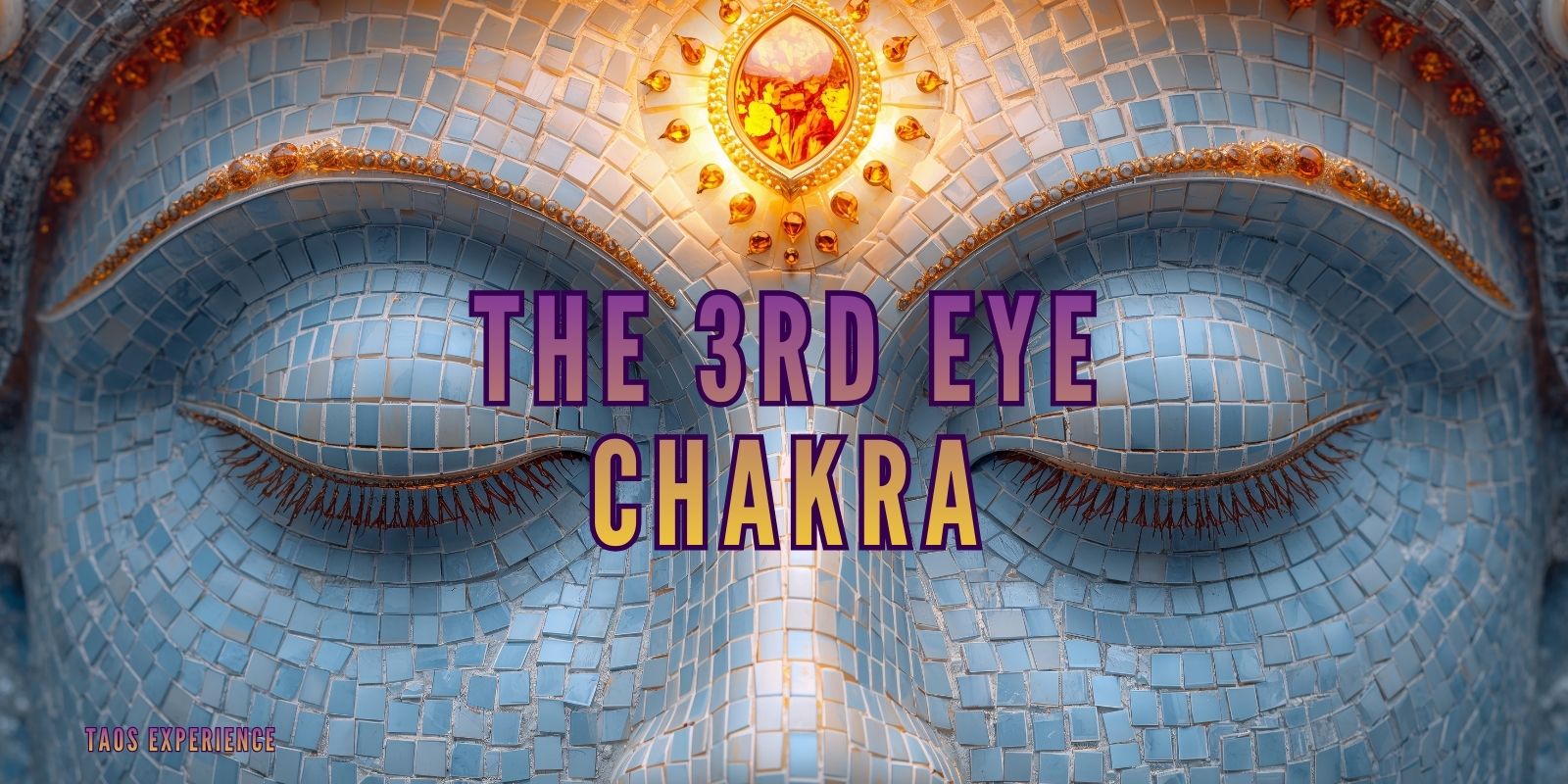
The 3rd Eye Chakra: Awakening Intuition and Inner Clarity
The 3rd Eye Chakra, or Ajna, is the sixth chakra located between the eyebrows and associated with intuition, perception, and insight. When balanced, it helps individuals interpret life experiences with clarity and emotional awareness. Practices like meditation, sleep regulation, and mindful reflection support this energy center while promoting nervous system stability and psychological integration.
The 3rd Eye Chakra, traditionally known as Ajna, represents the center of intuition, perception, and deeper awareness. Located between the eyebrows, this energy center acts as a bridge between rational thinking and intuitive insight. When balanced, it supports clarity, wisdom, and the ability to recognize patterns in life beyond surface appearances.
From a psychological perspective, this chakra relates closely to how the brain processes meaning and interpretation. It influences how we understand experiences, integrate emotional signals, and recognize subtle cues from the environment. When the nervous system is calm and regulated, intuitive awareness tends to emerge naturally. Rather than being mystical or supernatural, the awakening of intuitive perception often reflects the brain’s ability to integrate emotional intelligence, memory, and perception in a balanced way.
Table of Contents
- Meaning and Symbolism of The 3rd Eye Chakra
- Psychology and Brain Connections
- Signs of Third Eye Chakra Imbalance
- Practices to Balance The 3rd Eye Chakra
- Lifestyle and Nutritional Support
- Integrating Intuition into Everyday Life
- Key Takeaways
- Frequently Asked Questions

Meaning and Symbolism of The 3rd Eye Chakra
The 3rd Eye Chakra represents the ability to perceive beyond immediate appearances and connect with deeper understanding. In yogic philosophy, Ajna translates roughly to “command” or “perception,” suggesting that this chakra guides how we interpret reality. Symbolically, it is often represented by an indigo lotus with two petals, representing the union of logic and intuition.
This energy center has long been associated with the pineal gland, a small structure located deep within the brain. While ancient traditions described it as the seat of spiritual vision, modern biology identifies it as part of the endocrine system responsible for regulating sleep cycles through melatonin production. Interestingly, this connection between light perception, sleep rhythms, and awareness reflects the chakra’s deeper symbolism of illumination and clarity.
For those exploring chakra philosophy more deeply, resources like this guide to the Third Eye Chakra explain how traditional meditation practices view this center as a gateway to intuitive awareness and expanded perception.
Psychology and Brain Connections
The intuitive awareness linked to the Third Eye Chakra aligns closely with psychological processes involving pattern recognition and emotional intelligence. Neuroscience suggests that intuition often arises from the brain’s ability to rapidly synthesize past experiences, subtle cues, and subconscious information. What feels like a sudden insight is often the brain processing information beneath conscious awareness.
From a nervous system perspective, intuitive thinking becomes clearer when the body feels safe and regulated. Chronic stress activates the brain’s threat detection systems, narrowing perception and focusing attention on immediate survival concerns. When relaxation and mindfulness practices calm the nervous system, the brain regains access to broader perspectives and creative problem-solving abilities.
In my studies of mindfulness-based therapy, one pattern I’ve noticed is that intuition strengthens when people cultivate emotional awareness. When we learn to observe our thoughts and feelings without reacting immediately, the mind becomes more capable of recognizing deeper patterns and meaning.
Signs of Third Eye Chakra Imbalance
An imbalanced Third Eye Chakra often appears through mental fog, difficulty focusing, or excessive overthinking. Individuals may struggle to trust their own judgment, relying heavily on external validation rather than internal guidance. At times, this imbalance can also manifest as rigid thinking patterns that make it difficult to consider new perspectives.
In other cases, imbalance may move in the opposite direction, where imagination becomes disconnected from practical reality. This can create confusion between intuitive insight and speculation. Maintaining grounding practices helps ensure that intuitive awareness remains balanced with logic and emotional stability.
Physical symptoms sometimes include headaches, eye strain, or disrupted sleep patterns. These experiences often reflect broader stress responses in the nervous system rather than chakra imbalance alone. Supporting overall wellbeing through rest, hydration, and mindfulness can gently restore mental clarity.
Practices to Balance The 3rd Eye Chakra
Meditation remains one of the most effective practices for balancing the Third Eye Chakra. Focusing attention on the space between the eyebrows while breathing slowly can help calm mental chatter and create a sense of inner stillness. Over time, this practice strengthens awareness and encourages the mind to observe thoughts rather than becoming overwhelmed by them.
Mindful observation also supports intuitive development. Instead of rushing to interpret every experience, simply noticing patterns in thoughts, emotions, and daily events allows insight to emerge gradually. This approach aligns closely with therapeutic mindfulness practices used to strengthen emotional regulation.
Yoga and breathwork can also support the energy system. Postures that encourage circulation to the head and neck help stimulate awareness in the frontal brain regions associated with attention and perception. Detailed guidance on meditation and yoga practices for Ajna can be explored through this resource on Third Eye meditation techniques.
Lifestyle and Nutritional Support
The health of the brain and nervous system plays an important role in maintaining intuitive clarity. Nutrient-rich foods that support cognitive function, such as berries, leafy greens, and healthy fats, can enhance mental focus and emotional stability. Hydration and proper sleep also influence how effectively the brain processes information.
Balancing this chakra also involves strengthening the lower energy centers that provide grounding and stability. Exploring teachings about the Root Chakra and emotional grounding helps create the sense of safety needed for deeper awareness to develop naturally.
Similarly, emotional energy stored in the body influences how we interpret experiences. Practices that support emotional expression and creativity, such as those described in this guide to the Sacral Chakra, can help release tension and support the natural flow of intuitive perception.
Integrating Intuition into Everyday Life
Developing intuitive awareness does not require withdrawing from daily responsibilities. In fact, the most meaningful expressions of the Third Eye Chakra appear during ordinary moments. Whether making decisions, listening deeply in conversation, or noticing patterns in behavior, intuitive awareness can enhance everyday interactions.
In my experience observing mindfulness practices, people often report that intuition becomes clearer when they slow down and create moments of reflection. Even short pauses during the day allow the mind to process experiences more deeply. These small practices gradually strengthen the ability to perceive meaning beneath surface events.
Understanding the broader chakra system also helps integrate intuitive awareness with emotional and physical balance. For example, personal confidence associated with the Manipura Chakra and inner power supports the courage needed to trust intuitive insights and act on them responsibly.
The 3rd Eye Chakra
The 3rd Eye Chakra represents the meeting point between rational thought and intuitive understanding. When balanced, it encourages clarity, perspective, and the ability to recognize deeper patterns in life experiences. Rather than functioning as a mystical power, intuitive awareness often reflects the mind’s ability to integrate emotional signals, memory, and perception.
Developing this awareness takes patience and self-reflection. By supporting nervous system regulation, practicing mindfulness, and exploring personal insight gradually, the Third Eye Chakra becomes less about supernatural abilities and more about learning to see life with greater clarity and wisdom.

Key Takeaways
- The 3rd Eye Chakra governs intuition, perception, and deeper awareness.
- Balanced intuitive awareness emerges when the nervous system is calm and regulated.
- Meditation and mindfulness practices support mental clarity and insight.
- Grounding through lower chakras helps stabilize intuitive perception.
- Healthy sleep, nutrition, and emotional awareness strengthen cognitive clarity.
Frequently Asked Questions
What is The 3rd Eye Chakra?
The 3rd Eye Chakra, or Ajna, is the sixth chakra located between the eyebrows and associated with intuition, perception, and inner awareness.
What happens when the Third Eye Chakra is balanced?
A balanced Third Eye Chakra supports clarity, emotional awareness, insight, and the ability to understand deeper patterns in life.
What are symptoms of a blocked Third Eye Chakra?
Common signs include confusion, lack of focus, difficulty making decisions, headaches, or sleep disturbances.
How can I activate the Third Eye Chakra?
Meditation, breathwork, mindfulness practices, and spending time in reflective awareness can help activate this energy center.
Can sound therapy help balance the Third Eye Chakra?
Yes, sound practices such as chanting OM or listening to meditation frequencies are believed to support focus and intuitive awareness.