
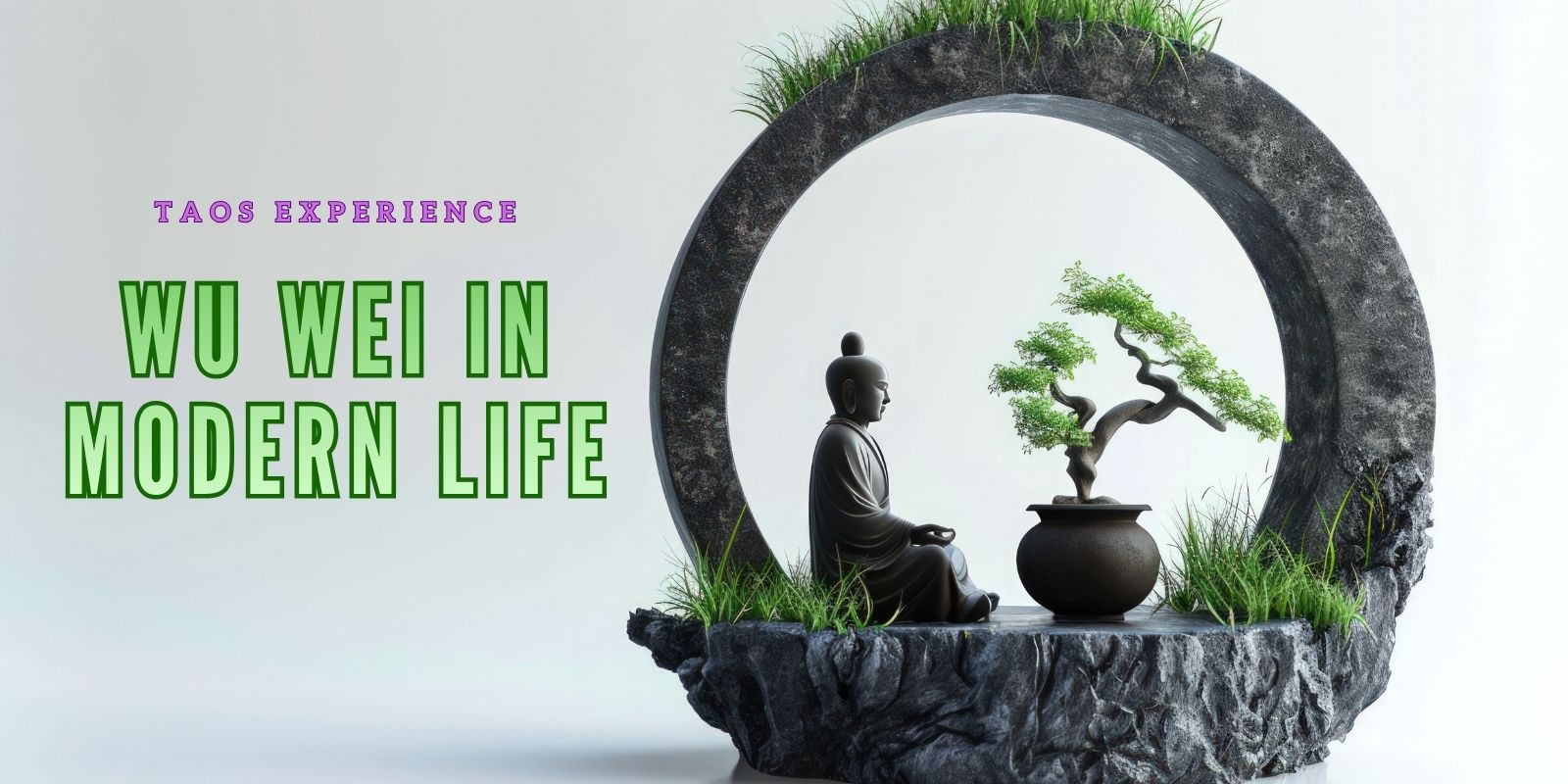
Wu Wei in Modern Life: The Art of Effortless Action
Wu Wei in Modern Life is the practice of effortless action — aligning decisions with natural rhythm rather than forcing results. Rooted in Taoist philosophy, it supports nervous system balance, emotional regulation, sustainable productivity, and healthier relationships. By reducing unnecessary struggle, Wu Wei creates clarity, resilience, and grounded confidence in everyday life.
Wu Wei in Modern Life speaks directly to the quiet exhaustion many people feel today. We are surrounded by productivity metrics, performance culture, and subtle pressure to constantly optimize ourselves. In that climate, the Taoist principle of non-forcing can feel almost radical. Yet Wu Wei is not about laziness or withdrawal. It is about intelligent alignment — acting in accordance with timing, energy, and natural rhythm rather than ego-driven urgency.
From a psychological perspective, Wu Wei invites nervous system regulation before decision-making. Instead of reacting from stress activation, we pause and respond from grounded awareness. When practiced consistently, this approach reshapes how we relate to work, intimacy, and ambition. It becomes less about controlling outcomes and more about cultivating internal steadiness.
Table of Contents – Wu Wei in Modern Life
- Understanding Wu Wei in Modern Life
- Wu Wei and the Nervous System
- Effortless Action in Work and Productivity
- Wu Wei in Relationships and Attachment
- Energy Balance and Embodied Flow
- How to Practice Wu Wei Daily
- Integrating Wu Wei into a High-Stimulus World
- Key Takeaways
- Frequently Asked Questions

Understanding Wu Wei in Modern Life
Wu Wei is often translated as “non-doing,” but a more accurate interpretation is non-forcing. It describes action that arises from alignment rather than strain. In classical Taoist thought, this principle reflects harmony with the Tao — the underlying flow of existence. In modern contexts, Wu Wei in Modern Life means acting when conditions are supportive and refraining when pushing would create resistance.
One pattern I’ve noticed is that many people confuse intensity with effectiveness. They assume that more effort guarantees better outcomes. Yet sustained overexertion often signals sympathetic nervous system dominance. When stress hormones remain elevated, clarity decreases and impulsive decisions increase. Wu Wei offers an alternative: calm responsiveness grounded in internal awareness.
For a contemporary interpretation, this essay on Wu Wei in the Modern World explores how effortless action applies in daily contexts without abandoning responsibility or ambition.
Wu Wei and the Nervous System
From a physiological standpoint, Wu Wei in Modern Life aligns closely with polyvagal theory. When the body feels safe, the ventral vagal system activates, supporting connection, creativity, and thoughtful action. When we force outcomes under stress, we often operate from fight-or-flight activation. Decisions made in that state tend to be reactive rather than strategic.
In my studies, I have observed that clients who cultivate pause before action begin to notice subtle internal cues. A tight chest, shallow breath, or restless urgency often signals misalignment. When they wait for regulation before proceeding, outcomes improve with less emotional cost.
Another thoughtful breakdown appears in Wu Wei: The Taoist Secret to Effortless Living, which bridges philosophy and everyday application in a grounded way.
Effortless Action in Work and Productivity
Applying Wu Wei in Modern Life to work does not mean abandoning discipline. It means recognizing when effort becomes counterproductive. Creative breakthroughs rarely emerge from panic. They arise when the mind is alert yet relaxed. Neuroscience supports this: insight is more likely when the brain transitions from rigid focus to open, associative thinking.
Many high achievers operate from anxious attachment patterns, fearing that slowing down will lead to failure. Wu Wei reframes productivity as cyclical rather than constant. Periods of rest and reflection are not indulgences but necessary phases of renewal.
In practice, effortless action at work may include:
- Pausing before sending emotionally charged messages
- Scheduling demanding tasks during peak energy windows
- Allowing creative incubation instead of forcing solutions
- Recognizing when collaboration flows naturally versus when it feels strained
Wu Wei in Relationships and Attachment
Relationships often reveal where we struggle to embody Wu Wei. Anxious attachment can manifest as over-pursuing reassurance, while avoidant patterns may involve withdrawing prematurely. Wu Wei in Modern Life invites us to respond to relational tension without amplifying it.
When we stop forcing emotional outcomes, we create space for authentic connection. In therapy settings, I often see that partners who allow conversations to unfold organically experience deeper intimacy. Control decreases; presence increases.
This dynamic reflects the Taoist principle of Yin and Yang, explored further in Yin and Yang Balance in Relationships. Effortless action in love is not passivity but balanced reciprocity.
Energy Balance and Embodied Flow
Wu Wei in Modern Life also relates to energy management. When the body feels depleted, pushing through fatigue may create short-term results but long-term imbalance. Taoist systems emphasize conserving and circulating energy rather than exhausting it.
Embodied awareness practices such as those discussed in Understanding the Sacral Chakra remind us that creative and sexual vitality require emotional safety. Forcing productivity while ignoring emotional needs fragments internal coherence.
Over time, effortless action supports sustainable vitality. Instead of oscillating between overdrive and burnout, the nervous system stabilizes. Energy becomes steady rather than explosive.
How to Practice Wu Wei Daily
Practicing Wu Wei in Modern Life begins with awareness. Before making a decision, notice your breath and posture. Are you leaning forward with urgency, or sitting back with grounded clarity? This brief check-in shifts action from compulsion to choice.
In my experience, small experiments build confidence. Delaying a non-urgent response, allowing silence in conversation, or postponing a decision until emotions settle can reveal how much unnecessary force we habitually apply.
Engaging contemplative traditions, such as those described in Taoist and Buddhist Contacts, reinforces the principle that presence precedes wise action. Over time, patience becomes strength rather than weakness.
Integrating Wu Wei into a High-Stimulus World
Modern environments reward speed and visibility. Social media algorithms and corporate metrics rarely value subtle timing. Yet Wu Wei in Modern Life offers resilience within that landscape. By responding instead of reacting, we conserve psychological resources.
One pattern I’ve noticed is that individuals who adopt effortless action report improved sleep and fewer impulsive decisions. Their external circumstances may remain demanding, but their internal state shifts from urgency to measured engagement.
Effortless action is not about withdrawal from ambition. It is about calibrating ambition with awareness. When aligned, progress feels sustainable rather than draining.
Wu Wei in Modern Life
Wu Wei in Modern Life reminds us that strength does not require constant strain. By aligning action with rhythm, safety, and clarity, we cultivate grounded confidence that extends beyond work into intimacy and wellbeing. If you are ready to embody effortless action and deepen your inner balance, explore supportive tools and teachings designed to guide this journey.

Key Takeaways
- Wu Wei in Modern Life emphasizes non-forcing rather than passivity.
- Nervous system regulation supports wiser, less reactive decisions.
- Effortless action enhances sustainable productivity and creativity.
- Balanced attachment patterns align naturally with Wu Wei principles.
- Daily awareness practices build long-term resilience and clarity.
Frequently Asked Questions – Wu Wei in Modern Life
Is Wu Wei about doing nothing?
No, it is about acting without unnecessary force or resistance.
Can Wu Wei improve productivity?
Yes, it enhances focus and reduces burnout by aligning action with energy.
How does Wu Wei affect relationships?
It encourages calm responsiveness instead of reactive control.
Is Wu Wei spiritual or practical?
It is both a philosophical principle and a practical daily strategy.
Can beginners practice Wu Wei?
Yes, small pauses and awareness exercises are effective starting points.