
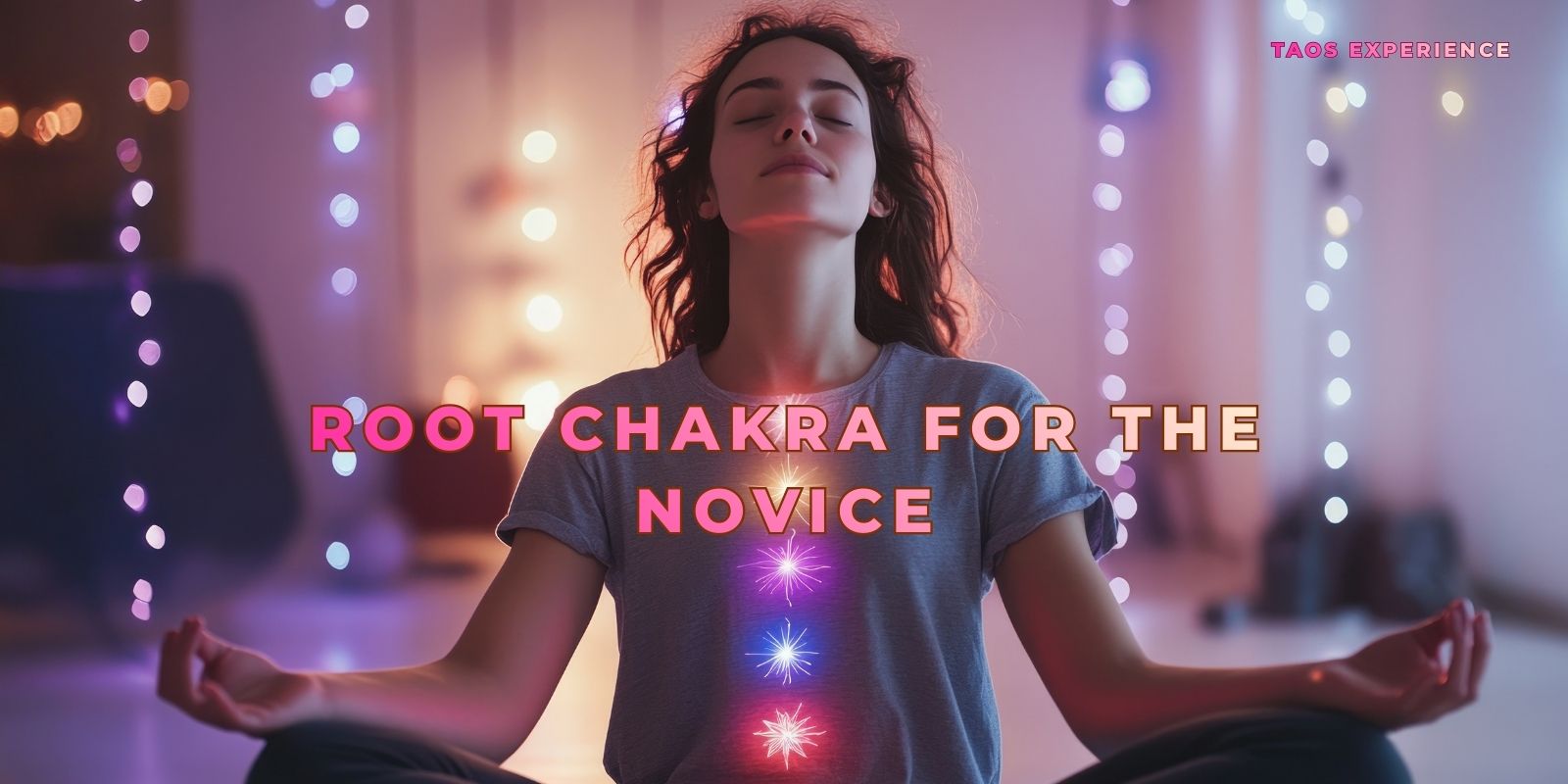
Root Chakra For The Novice: Building a Grounded Foundation for Emotional Safety
Root Chakra For The Novice: The Root Chakra, or Muladhara, forms the energetic base of the chakra system and supports feelings of safety, stability, and belonging. When balanced, it helps regulate the nervous system, reduce anxiety, and create emotional grounding. Beginners can support this chakra through grounding practices such as mindful breathing, nature connection, yoga, and intentional routines that strengthen a sense of security.
The Root Chakra, known in Sanskrit as Muladhara, is the energetic foundation of the entire chakra system. For beginners exploring energy awareness, understanding this chakra is often the first step toward emotional balance and a deeper sense of stability. Located at the base of the spine, this energy center is connected to survival instincts, physical grounding, and the nervous system’s ability to feel safe in the world.
From a psychological perspective, the Root Chakra reflects our earliest experiences of security. Our nervous system learns safety through consistent care, supportive environments, and predictable routines. When this energetic center feels balanced, the body relaxes, breathing deepens, and the mind becomes less reactive. For many beginners exploring energy work, Root Chakra practices can feel surprisingly calming because they address the body’s most basic need: the feeling that it is safe to exist.
Table of Contents – Root Chakra For The Novice
- Understanding the Root Chakra
- Root Chakra and the Nervous System
- Signs of Root Chakra Imbalance
- Grounding Practices for Beginners
- Integrating Root Chakra Awareness Into Daily Life
- How the Root Chakra Connects to the Chakra System
- Key Takeaways
- Frequently Asked Questions

Understanding the Root Chakra
The Root Chakra represents the energetic foundation of the human experience. In many traditional teachings, it is described as the anchor that connects the body to the earth. When beginners first explore energy systems through resources such as the seven main chakras explained for beginners, the Root Chakra is often the starting point because every other chakra builds upon its stability.
This chakra governs themes such as shelter, food, security, and belonging. When these needs feel threatened, the nervous system naturally shifts into survival mode. Psychologists often describe this as a protective response driven by the brain’s threat detection system. Energetically speaking, many spiritual traditions interpret this same reaction as Root Chakra imbalance. Both perspectives describe the same process: the body searching for safety.
In my studies of trauma-informed mindfulness practices, one pattern I’ve noticed is that grounding techniques often mirror Root Chakra teachings. Practices like slow breathing, walking outdoors, and physical movement help regulate the nervous system while simultaneously strengthening this foundational energy center. The overlap between ancient energy wisdom and modern psychology is often surprisingly clear.
Root Chakra and the Nervous System
The Root Chakra has a strong connection to the body’s stress response. When the nervous system perceives danger, it activates the fight-or-flight response, releasing hormones like adrenaline and cortisol. While this system evolved to protect humans from physical threats, modern stressors such as financial pressure or uncertainty can activate the same response. From an energetic viewpoint, this heightened state often reflects an overactive Root Chakra.
In therapy and nervous system regulation practices, grounding techniques are frequently used to calm this response. Deep breathing, feeling the feet against the floor, or focusing attention on the body’s sensations can gently signal to the brain that the environment is safe. These methods align closely with traditional Root Chakra balancing techniques described in resources such as this comprehensive Root Chakra guide.
Attachment psychology also connects strongly to Root Chakra themes. Early childhood experiences teach the body whether relationships are predictable and safe. When those early patterns were inconsistent, adults may struggle with chronic anxiety or insecurity. In energy traditions, this is often described as a weakened or unstable Root Chakra, highlighting how emotional history can influence energetic balance.
Signs of Root Chakra Imbalance
A balanced Root Chakra typically creates a quiet sense of stability in the body. People often describe feeling grounded, calm, and capable of handling everyday challenges. When this chakra becomes imbalanced, however, the body’s sense of safety may feel disrupted. Anxiety, restlessness, and constant worry about security are common emotional indicators.
Physical signals can also appear when the Root Chakra is struggling to regulate energy. Because this chakra is located at the base of the spine, discomfort may appear in areas such as the lower back, hips, or legs. Digestive irregularities and chronic fatigue are also commonly discussed in holistic wellness communities when exploring energetic imbalances.
From a practitioner perspective, imbalance does not always mean something is “wrong.” Often it simply reflects that the body has experienced stress or instability. When beginners understand this, they approach Root Chakra work with curiosity rather than judgment, which itself becomes part of the healing process.
Grounding Practices for Beginners
Grounding is one of the most accessible ways to support the Root Chakra. Unlike advanced spiritual practices, grounding focuses on reconnecting with the body and the physical world. Walking slowly in nature, feeling the texture of soil while gardening, or simply standing barefoot on grass can help the nervous system shift from stress into a calmer state.
Many beginners also find yoga particularly helpful. Poses that emphasize stability and connection to the ground—such as mountain pose or child’s pose—naturally activate the muscles around the base of the spine. As the body relaxes and breathing deepens, energy can begin flowing more smoothly through the Root Chakra.
In my experience guiding mindfulness workshops, one pattern I’ve noticed is how quickly people respond to simple grounding rituals. Even two minutes of mindful breathing while feeling the feet on the floor can shift the body from tension to calm. This reinforces the idea that Root Chakra healing often begins with small, consistent practices rather than dramatic spiritual techniques.
Integrating Root Chakra Awareness Into Daily Life
For beginners, the most effective Root Chakra practices are often the simplest ones. Creating consistent routines—regular meals, stable sleep schedules, and predictable daily rhythms—helps the nervous system develop a sense of safety. When the body learns what to expect from the environment, stress responses gradually decrease.
Financial awareness can also influence this chakra’s stability. Because the Root Chakra is connected to survival needs, uncertainty around resources can trigger chronic stress. Developing practical habits like budgeting or mindful spending may feel unrelated to spirituality, yet they directly support energetic grounding by reinforcing security.
Another helpful practice is strengthening one’s connection to community. Humans evolved within tribes and social groups, and a sense of belonging plays a powerful role in emotional stability. When people feel supported by friends, family, or meaningful communities, the Root Chakra often relaxes naturally.
How the Root Chakra Connects to the Chakra System
The chakra system functions like an energetic ladder, with each center building upon the stability of the one below it. Because the Root Chakra forms the base, its balance influences the flow of energy through the entire system. Without a strong foundation, higher chakras may struggle to function smoothly.
For example, emotional expression through the Throat Chakra often becomes easier when the body feels secure and grounded. When safety is established at the Root level, communication tends to become more open and authentic.
Similarly, spiritual awareness through higher centers like the Crown Chakra tends to deepen when the body feels stable and supported. As described in educational resources such as this overview of Root Chakra symbolism and meaning, a balanced foundation allows the entire energy system to operate with greater harmony.
Root Chakra For The Novice: Creating Stability in Your Inner World
For beginners exploring energy awareness, the Root Chakra offers a practical starting point. Rather than focusing on abstract spiritual ideas, this chakra invites us to strengthen our connection with the body, the earth, and our everyday environment. By supporting basic needs and practicing grounding rituals, we gradually teach the nervous system that safety is possible.
With patience and consistency, these simple practices can reshape how we experience stress and uncertainty. Over time, the body learns that stability does not come from eliminating all challenges but from developing the capacity to remain steady through them.

Key Takeaways
- The Root Chakra is the foundation of the chakra system and governs stability, safety, and grounding.
- Balanced Root Chakra energy helps regulate the nervous system and reduce chronic anxiety.
- Grounding activities like nature walks, yoga, and mindful breathing support Root Chakra balance.
- Early life experiences and attachment patterns strongly influence Root Chakra development.
- Strengthening the Root Chakra supports the health and function of the entire chakra system.
Frequently Asked Questions – Root Chakra For The Novice
What is the Root Chakra?
The Root Chakra, or Muladhara, is the first chakra located at the base of the spine. It governs grounding, security, survival instincts, and physical stability within the chakra system.
How do I know if my Root Chakra is imbalanced?
Common signs include anxiety, insecurity, financial stress, fatigue, and lower back discomfort. These signals often reflect the nervous system searching for stability and safety.
What helps balance the Root Chakra?
Grounding practices such as walking in nature, yoga, meditation, deep breathing, and establishing stable routines can help restore balance.
Can meditation help the Root Chakra?
Yes. Meditation focused on breathing, grounding visualizations, and repeating affirmations like “I am safe and secure” can calm the nervous system and support Root Chakra balance.
How long does Root Chakra healing take?
Healing timelines vary depending on individual stress levels and life circumstances. With consistent grounding practices, many people begin noticing improvements in emotional stability within a few weeks.
Comments
One response to “Root Chakra For The Novice – The Basics Will Make You Better”
Thank you ????
It is wonderful and truly appreciated to be able to learn from you