
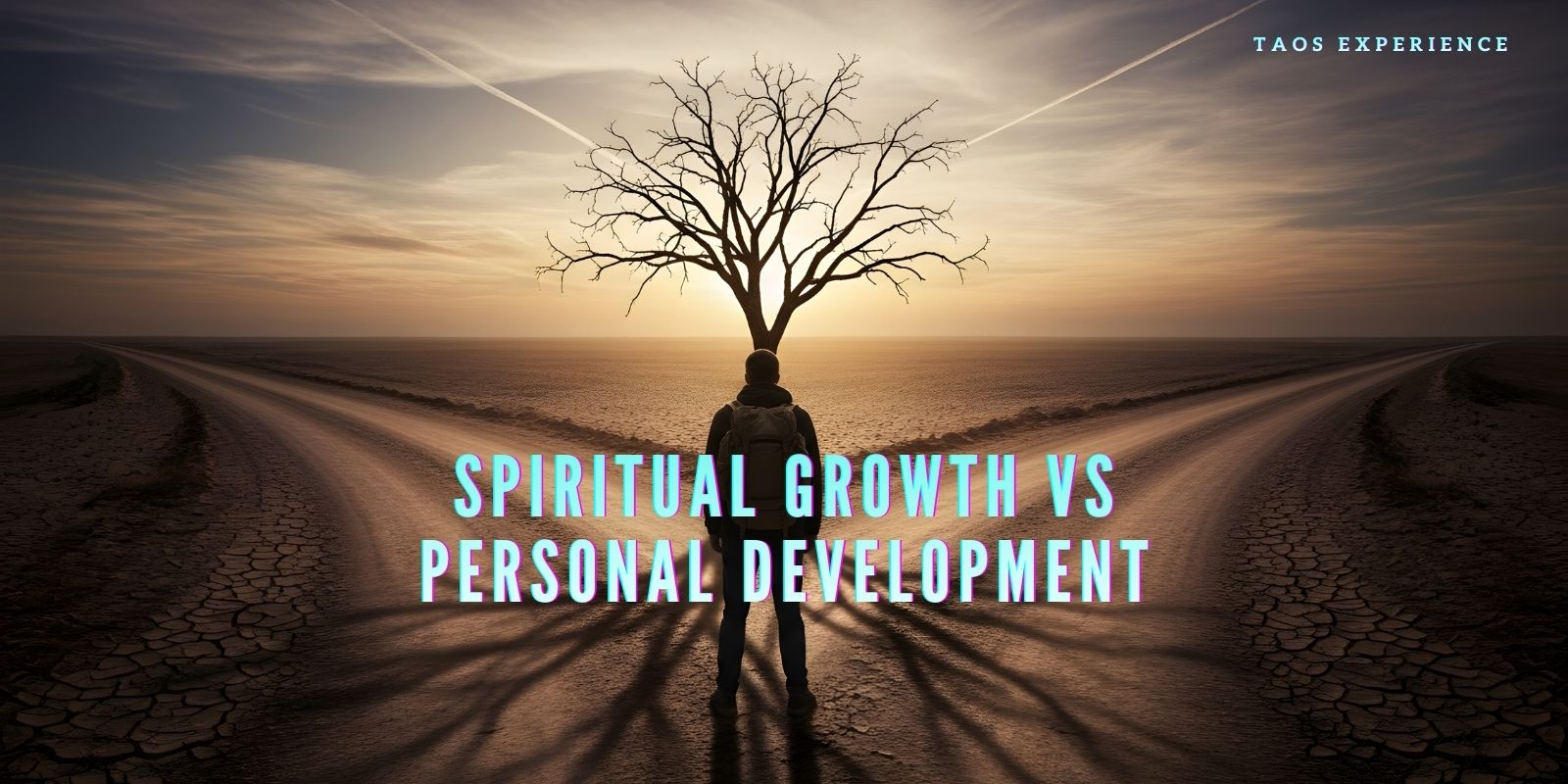
Spiritual Growth vs Personal Development Explained Clearly
Spiritual Growth vs Personal Development explained clearly through psychology, nervous system regulation, and attachment patterns. Learn how each path shapes identity, resilience, and emotional wellbeing.
From a psychological perspective, the difference becomes even clearer. Personal development often strengthens executive functioning and behavioral discipline. Spiritual growth works more directly with identity, nervous system regulation, and existential purpose. Neither is superior. The key lies in recognizing how they interact, overlap, and sometimes even compensate for each other when emotional needs are unmet.
Spiritual Growth vs Personal Development is a conversation that often creates confusion. Both paths promise transformation, clarity, and a better life. Yet they operate from slightly different foundations. Personal development tends to focus on measurable improvement—habits, goals, productivity, confidence. Spiritual growth, on the other hand, centers on awareness, meaning, and inner alignment. Understanding the distinction helps you choose practices that genuinely support your wellbeing.
Table of Contents – Spiritual Growth vs Personal Development
- Defining the Two Paths
- Achievement vs Alignment
- The Nervous System Perspective
- Attachment Patterns and Motivation
- Where They Overlap
- Choosing What You Need Right Now
- Integrating Both Approaches
- Key Takeaways
- Frequently Asked Questions

Defining the Two Paths
Spiritual Growth vs Personal Development begins with definitions. Personal development is typically outcome-oriented. It includes goal setting, time management, communication skills, and mindset shifts designed to increase performance or satisfaction. It is structured, practical, and often measurable. Books and courses in this space emphasize results and visible change.
Spiritual growth, in contrast, focuses on awareness and consciousness. It asks deeper questions: Who am I beneath my roles? What is the nature of meaning? How do I cultivate inner peace regardless of circumstances? It is less about external milestones and more about internal transformation. A helpful exploration of this distinction can be found in Personal Development vs Spiritual Growth, which outlines how these paths diverge and intersect.
In my studies, I’ve noticed that individuals often begin with personal development but eventually seek spiritual grounding when achievements fail to provide lasting fulfillment. This transition is not a failure of ambition; it is a maturation of identity.
Achievement vs Alignment
At its core, Spiritual Growth vs Personal Development can be understood as achievement versus alignment. Personal development asks, “How can I become better?” Spiritual growth asks, “How can I become more authentic?” These questions sound similar, yet they activate different internal motivations.
Achievement-oriented growth strengthens discipline and cognitive reframing. It improves habits and resilience under stress. Alignment-oriented growth cultivates acceptance and self-awareness. It often involves meditation, contemplation, and surrender. One is structured effort; the other is conscious presence.
Neither path excludes the other. The tension arises when achievement becomes a substitute for emotional healing. If productivity masks insecurity, growth becomes performative rather than transformative.
The Nervous System Perspective
From a neuroscience standpoint, Spiritual Growth vs Personal Development engage different regulatory mechanisms. Personal development activates executive functions within the prefrontal cortex. It strengthens planning, impulse control, and cognitive restructuring. These skills are invaluable for career and relational success.
Spiritual growth works more directly with parasympathetic activation. Practices like meditation and breathwork calm the sympathetic stress response. When the nervous system feels safe, identity becomes less defensive. Emotional regulation improves naturally rather than through force.
One pattern I’ve noticed in clinical contexts is that individuals stuck in hyper-productivity often operate from chronic sympathetic arousal. They pursue constant improvement because stillness feels unsafe. Spiritual practices can gently retrain the nervous system to tolerate rest and reflection.
Attachment Patterns and Motivation
Attachment theory adds another layer to Spiritual Growth vs Personal Development. Those with anxious attachment may lean heavily into self-improvement to secure approval. Achievements become reassurance. Avoidantly attached individuals may favor spiritual detachment as a way to bypass vulnerability.
When personal development arises from fear of rejection, it becomes compulsive. When spiritual growth arises from avoidance of intimacy, it becomes isolating. Healthy growth integrates emotional safety with ambition. Secure attachment supports both striving and surrender.
If you are exploring early signs of deeper transformation, you may find insight in Sign of Spiritual Awakening, which outlines how internal shifts often precede external changes.
Where They Overlap
Despite their differences, Spiritual Growth vs Personal Development intersect meaningfully. Both encourage self-reflection. Both-challenge limiting beliefs. Both aim to reduce suffering and increase fulfillment. The difference lies primarily in emphasis.
A thoughtful reflection on this intersection can be found in At the Intersection of Spiritual Growth and Personal Development, which explores how personal goals and spiritual insight can reinforce rather than contradict each other.
In my experience, the most resilient individuals cultivate both skill development and contemplative depth. They pursue excellence without tying identity exclusively to outcomes.
Choosing What You Need Right Now
Sometimes the question is not which path is superior but which one is appropriate for your current season. If you are feeling directionless, personal development frameworks may provide structure and clarity. If you are feeling exhausted despite success, spiritual inquiry may restore balance.
Practices drawn from Taoism core beliefs emphasize harmony rather than force. Similarly, teachings within The Art of Tantra encourage embodied presence rather than performance. These philosophies remind us that growth does not always mean pushing harder.
Integrating Both Approaches
Integration allows Spiritual Growth vs Personal Development to complement one another. You might set career goals while maintaining a daily mindfulness practice. You might improve communication skills while also exploring deeper questions of purpose and identity.
Balanced growth respects both competence and consciousness. It honors ambition while nurturing emotional regulation. Over time, integration reduces internal conflict. Achievement becomes an expression of alignment rather than compensation for insecurity.
Spiritual Growth vs Personal Development
Spiritual Growth vs Personal Development is not a competition but a spectrum. One strengthens structure and skill; the other deepens awareness and meaning. When approached intentionally, they reinforce each other and support sustainable wellbeing. Growth becomes less about proving worth and more about embodying it.
Key Takeaways
- Personal development emphasizes measurable skills and goal achievement.
- Spiritual growth centers on awareness, meaning, and inner alignment.
- Nervous system regulation plays a central role in both paths.
- Attachment patterns influence how and why we pursue growth.
- Integration creates sustainable, balanced transformation.
Frequently Asked Questions – Spiritual Growth vs Personal Development
Is spiritual growth the same as personal development?
No, personal development focuses on external improvement, while spiritual growth emphasizes inner awareness and meaning.
Can I pursue both at the same time?
Yes, integrating skill-building with contemplative practices creates balanced and sustainable growth.
Which path is better for mental health?
Both can support mental health when practiced with emotional regulation and self-awareness.
How do attachment patterns influence growth?
Insecure attachment can drive overachievement or avoidance, shaping how individuals approach both paths.
Do I need spirituality to improve my life?
Not necessarily, but many people find that deeper meaning enhances long-term wellbeing.