
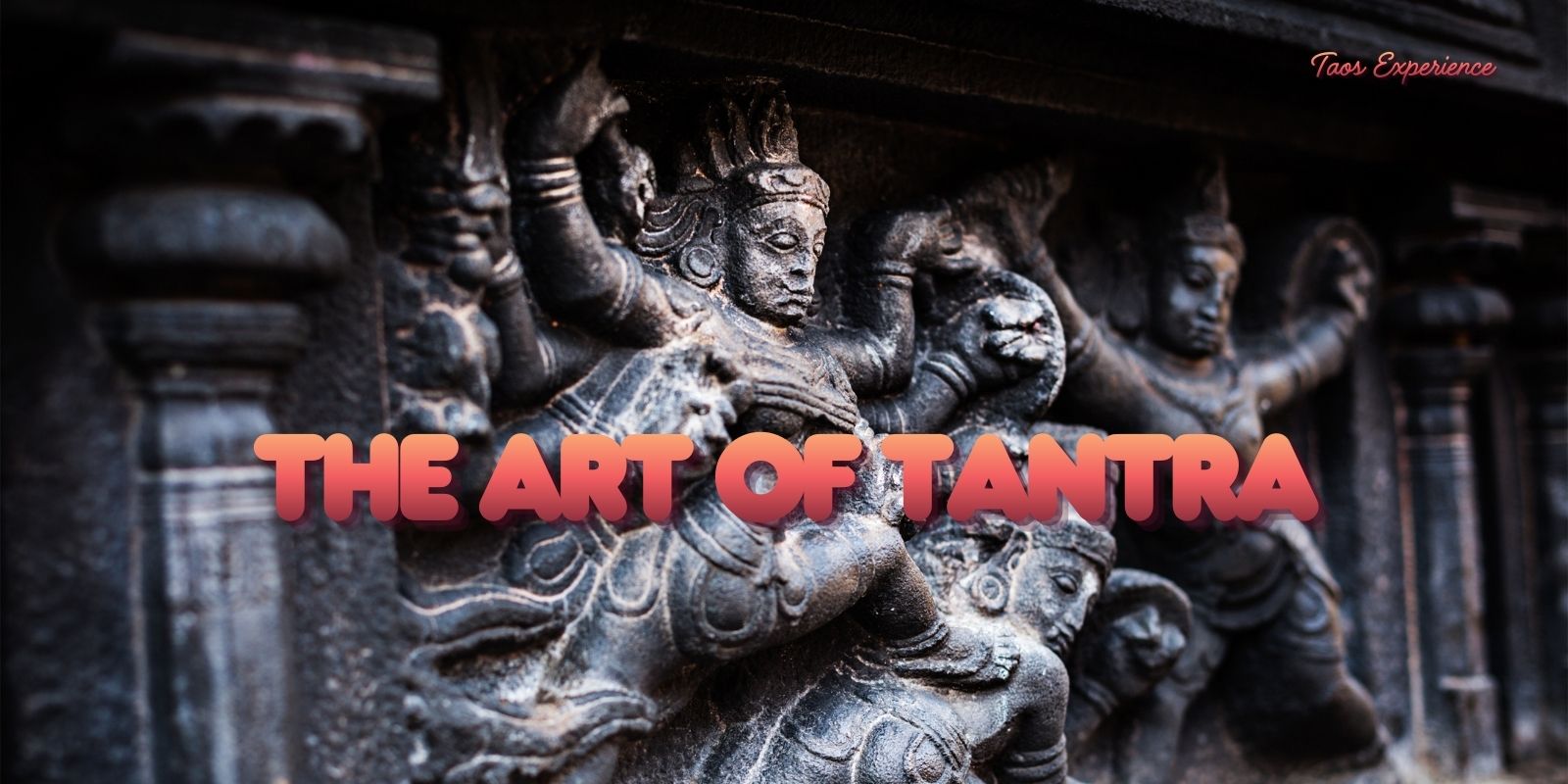
The Art of Tantra: Awakening Presence, Intimacy, and Conscious Connection
The art of tantra is often misunderstood as purely sensual, yet its deeper roots lie in awareness, presence, and conscious connection with life itself. Ancient tantric traditions teach that energy, attention, and intention shape how we experience the world. When practiced with patience and curiosity, Tantra becomes less about performance and more about cultivating sensitivity to subtle emotional and energetic states that influence relationships, wellbeing, and self-awareness.
From a psychology-informed perspective, tantric practices often regulate the nervous system and encourage deeper emotional safety between partners. Slow breathing, eye contact, mindful touch, and embodied awareness activate parasympathetic responses that calm the body and strengthen attachment bonds. Over time, these experiences reshape how partners perceive intimacy, trust, and communication. Through consistent practice, the art of tantra becomes a pathway not only to connection with others, but also to a grounded relationship with oneself.
Table of Contents – The Art of Tantra
- Foundations of the Art of Tantra
- Presence and Nervous System Awareness
- Eye Gazing and Emotional Intimacy
- Back-to-Back Meditation and Energy Awareness
- Mindful Touch and Sensory Awareness
- Tantric Philosophy in Everyday Life
- Key Takeaways
- Frequently Asked Questions

Foundations of the Art of Tantra
The art of tantra originates from ancient spiritual traditions that view the body, mind, and energy as interconnected aspects of human experience. Rather than rejecting physical life, Tantra encourages conscious engagement with sensation, emotion, and awareness. Scholars exploring these traditions, such as those discussed in this detailed study of tantric traditions, emphasize that Tantra is fundamentally about awakening perception rather than pursuing pleasure alone.
In modern contexts, Tantra often appears through mindfulness practices, relational awareness exercises, and embodied meditation. These practices help individuals slow down and observe their emotional reactions and bodily sensations. When approached patiently, they begin to reveal subtle patterns in how people relate to themselves and others, offering opportunities to transform unconscious habits into more conscious, compassionate behaviors.
One pattern I’ve noticed when studying Tantra teachings is how frequently they emphasize presence rather than technique. The practices themselves are simple, yet their impact depends on the quality of attention brought into the moment. This perspective aligns closely with contemporary therapeutic approaches that encourage mindful awareness as a pathway to emotional integration and resilience.
Presence and Nervous System Awareness
The art of tantra places remarkable importance on slowing down and becoming fully present with the body. From a nervous system perspective, mindful breathing and focused attention stimulate the parasympathetic system, which encourages relaxation and emotional regulation. This physiological shift allows individuals to move out of stress-driven reactions and into a state where connection and curiosity can naturally emerge.
Practices such as gentle breathing, meditation, and conscious movement also improve body awareness. Over time, individuals begin noticing how emotions manifest physically through subtle sensations such as warmth, tension, or shifts in breath rhythm. This embodied awareness strengthens emotional intelligence and allows people to respond thoughtfully rather than react impulsively.
Many tantric traditions also integrate movement practices like yoga, which help harmonize the body and mind. Exploring the connection between movement and energy is discussed further in tantric yoga practices and their benefits, where breath, posture, and mindfulness work together to cultivate balance and energetic awareness.
Eye Gazing and Emotional Intimacy
One of the simplest yet most powerful exercises within the art of tantra is eye gazing. Partners sit comfortably facing one another and maintain gentle eye contact without speaking. While the practice may initially feel uncomfortable, this discomfort often reveals how rarely people allow themselves to be truly seen without distraction or expectation.
From an attachment psychology perspective, sustained eye contact stimulates neural pathways associated with trust and emotional bonding. Infants rely on eye contact with caregivers to develop secure attachment patterns, and similar mechanisms remain active in adult relationships. When practiced with patience, eye gazing can evoke feelings of warmth, vulnerability, and connection.
In my studies of mindfulness-based relationship practices, eye gazing frequently reveals emotional layers beneath everyday communication patterns. Partners often report experiencing a softening of defensiveness and a renewed sense of empathy. These moments remind individuals that intimacy grows not from constant activity, but from shared stillness and presence.
Back-to-Back Meditation and Energy Awareness
Back-to-back meditation is another gentle yet powerful tantric practice designed to synchronize awareness between partners. Sitting with the spine touching another person’s back creates subtle sensory feedback through breath and movement. As each partner inhales and exhales, the rhythm of the body becomes perceptible to the other.
This form of meditation encourages individuals to tune into subtle physical cues rather than relying solely on verbal communication. Over time, partners begin to notice how their breathing patterns influence one another. When one person slows their breath, the other often follows naturally, creating a shared state of calm and coherence.
Practices like this also reinforce emotional safety, which is essential for meaningful intimacy. When the nervous system senses stability and trust, defensive responses soften and authentic connection becomes easier. Couples exploring deeper practices can expand this experience through exercises described in advanced tantric techniques and practices, where mindfulness and energy awareness are gradually integrated.
Mindful Touch and Sensory Awareness
Touch within the art of tantra is approached with intentional awareness rather than automatic habit. Gentle, mindful contact allows partners to explore sensations slowly while observing emotional responses that arise. When attention is placed on subtle details like temperature, pressure, and rhythm, touch becomes an experience of curiosity rather than expectation.
From a therapeutic standpoint, mindful touch stimulates oxytocin release, a hormone associated with trust and emotional bonding. This biochemical response supports feelings of security and calm, helping individuals relax into deeper states of connection. In relationships where stress or distance has accumulated, slow touch can gradually rebuild comfort and closeness.
One pattern I’ve observed when guiding mindfulness exercises is that people often rush through sensory experiences. Tantra invites the opposite approach. By slowing down and fully noticing each sensation, individuals begin to rediscover the richness of ordinary moments. Even simple gestures like holding hands or embracing can become deeply restorative when approached with genuine presence.
Tantric Philosophy in Everyday Life
Although many people associate the art of tantra with partner practices, its philosophy extends far beyond intimate settings. At its core, Tantra encourages individuals to experience daily activities with full awareness. Eating, walking, breathing, and even listening become opportunities to deepen sensory perception and emotional clarity.
Writers exploring tantric philosophy often highlight its emphasis on integrating spirituality with everyday life rather than separating the two. A thoughtful overview of these ideas can be found in this reflection on tantric philosophy and symbolism, which illustrates how Tantra encourages individuals to embrace both the material and spiritual aspects of existence.
When people begin applying tantric awareness to daily life, subtle changes occur. Moments feel less rushed, emotional reactions become easier to observe, and creative expression often emerges naturally. Exploring broader contemplative practices through resources on spiritual awareness and personal growth can deepen this integration, allowing Tantra to become a lifestyle rather than an isolated practice.
The Art of Tantra: A Path Toward Conscious Connection
The art of tantra ultimately invites individuals to cultivate presence, compassion, and curiosity within every interaction. Through mindful awareness of breath, touch, and emotion, relationships can evolve from habitual patterns into spaces of conscious connection. Over time, these small shifts influence not only intimacy but also emotional resilience, communication, and personal growth.

Key Takeaways
- The art of tantra emphasizes awareness, presence, and emotional connection rather than purely sensual experiences.
- Mindful breathing and slow practices support nervous system regulation and deeper emotional safety.
- Exercises like eye gazing and back-to-back meditation strengthen trust and relational awareness.
- Mindful touch stimulates bonding hormones that encourage relaxation and connection.
- Tantric philosophy encourages bringing awareness and sensory presence into everyday life.
Frequently Asked Questions – The Art of Tantra
What is the art of tantra?
The art of tantra is a spiritual and mindfulness-based approach that combines awareness, energy practices, and emotional presence to deepen personal transformation and connection with others.
Is Tantra only about intimacy?
No. Tantra focuses on awareness and presence in all aspects of life, including meditation, movement, creativity, and emotional growth.
Can beginners practice Tantra?
Yes. Many tantric practices are simple mindfulness exercises such as breathing, meditation, and eye gazing that beginners can explore safely.
How does Tantra affect relationships?
Tantric practices encourage emotional openness, trust, and nervous system regulation, which often strengthens communication and intimacy.
Do you need a teacher to learn Tantra?
While guidance can be helpful, many foundational practices such as mindful breathing and awareness exercises can be explored individually.