
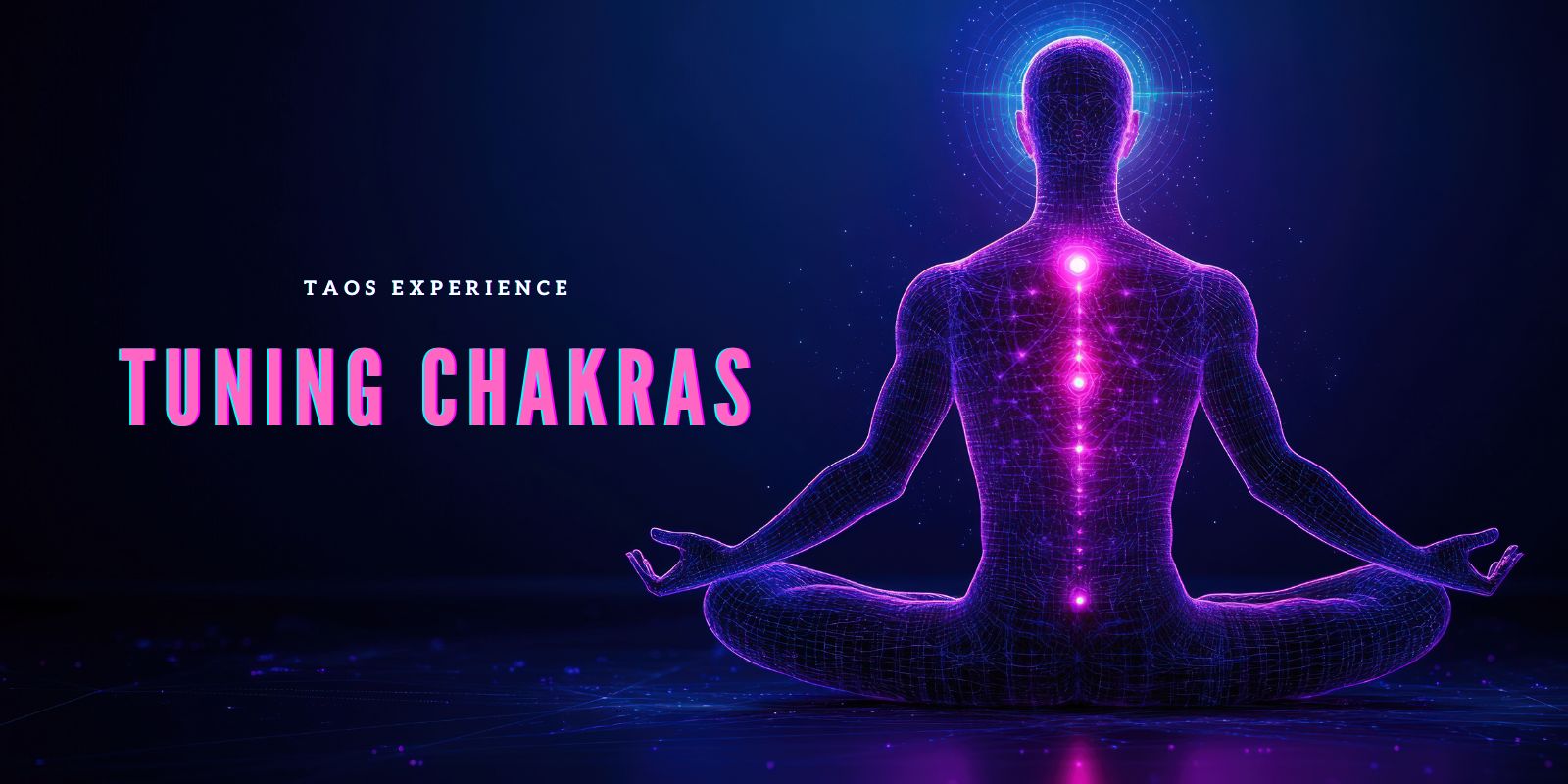
Tuning Chakras: Restoring Energy Balance for Emotional and Spiritual Wellbeing
Tuning chakras is a practice rooted in ancient energy traditions that focus on restoring balance within the body’s subtle energy system. The human body is not only biological but also energetic, with seven primary chakras influencing emotional stability, mental clarity, and physical vitality. When these energy centers function harmoniously, many people report feeling more grounded, emotionally resilient, and mentally focused. When they become blocked or overstimulated, the effects can show up as fatigue, anxiety, or difficulty processing emotions.
Modern psychology increasingly recognizes the value of practices that bring awareness back into the body. Techniques used in tuning chakras, such as breathing exercises, meditation, movement, and mindful touch, help regulate the nervous system and reduce chronic stress responses. By slowing down and observing subtle sensations in the body, individuals can cultivate a deeper relationship with their emotional landscape. Over time, tuning chakras becomes less about mystical belief and more about developing consistent awareness, self-regulation, and emotional balance.
Table of Contents
- Understanding the Chakra System
- Why Tuning Chakras Matters for Wellbeing
- Recognizing Signs of Chakra Imbalance
- Practical Methods for Tuning Chakras
- The Relationship Between Emotions and Chakras
- Tools That Support Chakra Alignment
- Key Takeaways
- Frequently Asked Questions

Understanding the Chakra System
Chakras are traditionally described as spinning wheels of energy located along the spine, each corresponding to particular emotional and physiological functions. The concept originates from ancient yogic traditions but continues to influence modern mindfulness and wellness practices. Learning about the seven primary chakras helps individuals understand how different aspects of life, such as security, creativity, confidence, love, communication, intuition, and spiritual awareness, relate to specific energetic centers.
The lower chakras are generally associated with grounding and survival instincts. The root chakra relates to stability and safety, while the sacral chakra influences creativity and emotional expression. The solar plexus chakra is closely connected with confidence and self-direction, explored further in discussions about the solar plexus energy center and personal power. When these foundational chakras are balanced, individuals often feel more secure and capable of navigating everyday challenges.
The upper chakras influence emotional connection and spiritual awareness. The heart chakra supports compassion and empathy, which is explained further in this guide to heart-centered energy and emotional balance. The throat chakra relates to communication, the third eye to intuition, and the crown chakra to higher awareness. When these centers operate harmoniously with the lower chakras, the entire system feels more integrated and balanced.
Why Tuning Chakras Matters for Wellbeing
Tuning chakras supports a deeper awareness of how emotional experiences influence physical sensations in the body. From a neuroscience perspective, stress and unresolved emotions activate the sympathetic nervous system, keeping the body in a heightened state of alertness. Practices used for chakra balancing often slow breathing and redirect attention inward, encouraging the parasympathetic system to activate and restore calm.
When the nervous system shifts toward relaxation, the body can process emotions more effectively. Many people notice reduced tension in the shoulders, improved sleep quality, and greater emotional stability. Rather than suppressing feelings, tuning chakras encourages individuals to observe them with curiosity and patience. This process strengthens emotional resilience and creates space for healthier responses to daily stressors.
In my studies of mindfulness and energy practices, one pattern I’ve noticed is that people often underestimate the impact of subtle daily stress. Over time, these small tensions accumulate in the body. Chakra tuning practices create regular moments where individuals pause, breathe, and reconnect with their inner state, gradually restoring equilibrium.
Recognizing Signs of Chakra Imbalance
Learning to identify signs of imbalance is an important step in tuning chakras. Physical sensations, emotional patterns, and behavioral tendencies can all offer clues about which energy center may need attention. For example, persistent feelings of insecurity or financial anxiety may relate to root chakra imbalance, while difficulty expressing emotions may point toward tension in the throat chakra.
Emotional disconnection can sometimes indicate imbalance in the heart chakra, whereas chronic self-doubt often reflects issues within the solar plexus chakra. Understanding the roles of each energy center is easier when exploring foundational resources such as this introduction to the seven chakras, which explains how physical sensations and emotional states relate to each center.
One pattern I’ve observed while working with mindfulness practitioners is that people frequently become aware of imbalances only after the body signals discomfort. Headaches, digestive issues, or persistent fatigue can sometimes appear when emotional stress remains unresolved. Chakra awareness encourages individuals to listen earlier to subtle signals before these tensions escalate.
Practical Methods for Tuning Chakras
Several practices support tuning chakras by encouraging awareness, movement, and emotional processing. Yoga is one of the most widely used approaches because specific postures activate different energy centers. Gentle backbends open the chest and support heart chakra expansion, while grounding poses like mountain pose strengthen root chakra stability.
Meditation is another powerful method for chakra tuning. During meditation, practitioners often visualize colored light moving through the body or imagine energy flowing smoothly through each chakra. These visualization techniques help focus attention and deepen body awareness. A helpful explanation of chakra meditation methods can be found in this guide to balancing chakras through mindfulness.
Sound-based practices are also commonly used for chakra alignment. Vibrational instruments like singing bowls or tuning forks produce frequencies that resonate with different energy centers. Those interested in learning how sound supports chakra work can explore this beginner’s guide to chakra tuning forks and drumming, which explains how rhythmic vibrations influence the body’s energy field.
The Relationship Between Emotions and Chakras
Emotions and chakras are deeply interconnected. Each energy center corresponds with specific emotional themes, and prolonged emotional stress can create energetic tension within those areas. The heart chakra often reflects experiences of love, grief, or forgiveness, while the solar plexus chakra relates to personal power, boundaries, and self-confidence.
When individuals suppress emotions rather than acknowledging them, the body often stores that tension physically. Mindfulness practices used in chakra tuning allow emotions to surface gradually in a safe, manageable way. As awareness deepens, people often develop greater compassion for themselves and others.
From a therapeutic perspective, this process resembles somatic therapy, where emotional healing occurs through body awareness. When individuals notice how emotions manifest physically, they gain the ability to regulate responses rather than becoming overwhelmed by them.
Tools That Support Chakra Alignment
Various supportive tools can complement chakra tuning practices. Crystals, sound instruments, essential oils, and meditation music are commonly used to enhance focus and deepen relaxation during energy work. Each tool interacts with the senses differently, helping individuals stay present and connected to their internal experience.
Crystals are often chosen based on their symbolic connection to specific chakras. For instance, red jasper is associated with grounding energy, while amethyst is linked with spiritual awareness. When used during meditation, these stones serve as visual and tactile reminders to stay centered and attentive.
Sound tools such as tuning forks and singing bowls offer another powerful method of engagement. Their vibrations create gentle auditory cues that encourage slower breathing and deeper relaxation. Over time, combining multiple supportive tools can help individuals build a personalized chakra tuning routine that feels natural and sustainable.
Tuning Chakras: Cultivating Balance and Awareness
Tuning chakras is ultimately about learning to listen more carefully to the body and emotions. Through consistent awareness, individuals begin to recognize patterns of tension, stress, and emotional reactivity before they escalate. Practices like meditation, mindful breathing, and gentle movement create space for calm and clarity. Rather than striving for perfection, chakra tuning encourages gradual exploration and self-compassion. Over time, these practices foster deeper emotional stability, healthier relationships, and a more grounded sense of wellbeing.

Key Takeaways
- Tuning chakras focuses on balancing the body’s seven energy centers to support emotional and physical wellbeing.
- Mindfulness practices help regulate the nervous system and reduce chronic stress.
- Recognizing emotional and physical signs of imbalance allows earlier intervention and healing.
- Yoga, meditation, and sound healing are commonly used techniques for chakra alignment.
- Consistent awareness and self-reflection strengthen emotional resilience and inner balance.
Frequently Asked Questions
What does tuning chakras mean?
Tuning chakras refers to balancing the body’s energy centers through mindfulness practices such as meditation, breathwork, yoga, and sound healing.
How often should you practice chakra balancing?
Many practitioners recommend short daily practices such as meditation or breathing exercises to maintain steady energy flow.
Can chakra tuning improve emotional health?
Yes. Many techniques used in chakra work help regulate the nervous system, which supports emotional stability and stress reduction.
Do you need special tools to tune chakras?
No. While tools like crystals or singing bowls can help, simple mindfulness and breathing practices are often enough to begin.
Is chakra balancing supported by science?
While chakras themselves are spiritual concepts, many associated practices such as meditation, breathwork, and yoga have well-documented psychological and physiological benefits.