
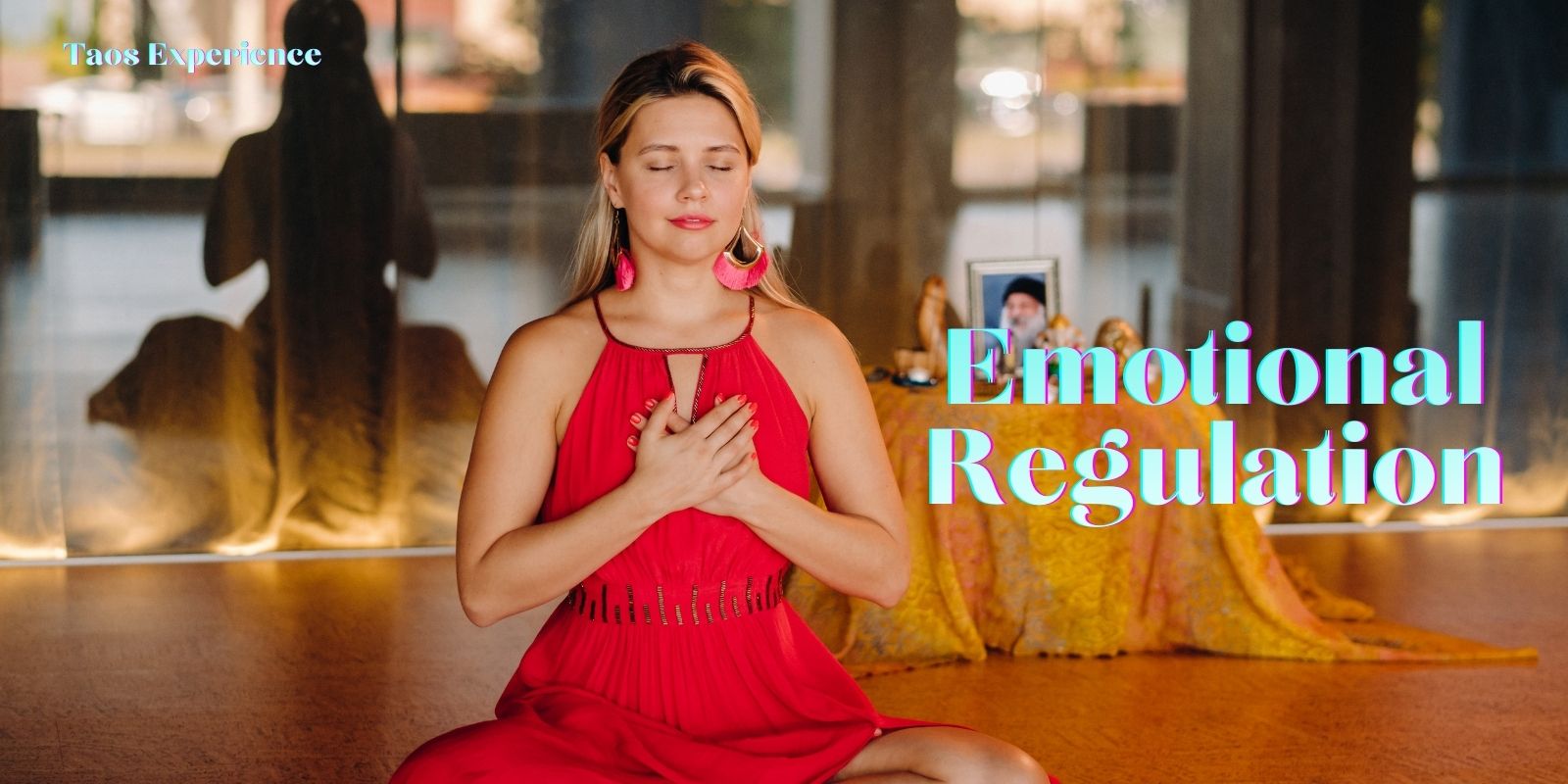
Emotional Regulation in Tantra and Conscious Living
Emotional Regulation is the ability to notice, understand, and respond to feelings without becoming overwhelmed or reactive. It does not mean suppressing emotions or pretending everything is fine. Instead, it reflects the capacity to stay connected to yourself while experiencing intensity. In tantra and conscious living, this skill becomes foundational. Without regulation, spiritual practices can become escapism, and relationships can become battlegrounds rather than spaces of growth.
From a psychological perspective, Emotional Regulation is deeply connected to nervous system function and attachment patterns. When the body feels safe, emotions flow and resolve naturally. When the body feels threatened, emotions escalate or shut down. By integrating regulation skills into tantra and daily life, you cultivate grounded presence, deeper intimacy, and sustainable spiritual maturity.
Table of Contents
- Understanding Emotional Regulation
- The Nervous System and Emotional Stability
- Attachment Patterns and Emotional Reactivity
- Emotional Regulation in Tantra Practice
- Daily Practices to Strengthen Emotional Regulation
- Emotional Regulation in Relationships
- Key Takeaways
- Frequently Asked Questions

Understanding Emotional Regulation
Emotional Regulation involves recognizing emotions, tolerating discomfort, and choosing intentional responses. According to Psychology Today’s overview of emotion regulation, it includes strategies such as reappraisal, mindfulness, and behavioral flexibility. In my studies, I’ve seen that many people confuse regulation with control. True regulation is not rigid. It allows emotion to move through the body without overwhelming cognition or damaging connection.
Research summarized by Positive Psychology’s discussion on emotional regulation emphasizes that resilience grows when individuals develop awareness before reaction. One pattern I’ve noticed is that when people slow down their breathing and name their emotions, intensity decreases. The act of labeling activates the prefrontal cortex, helping the brain interpret experience rather than being hijacked by it.
In tantra and conscious living, this awareness becomes embodied. You are not just thinking about feelings; you are sensing them. Emotional Regulation transforms spiritual practice from abstract philosophy into lived experience.
The Nervous System and Emotional Stability
The autonomic nervous system governs emotional intensity. When sympathetic activation rises, heart rate increases, breathing shortens, and perception narrows. This state prepares the body for threat, even if the trigger is relational conflict rather than physical danger. Emotional Regulation begins with noticing these physiological cues before they escalate.
Parasympathetic activation, particularly through vagal tone, restores calm and connection. Slow breathing, grounding touch, and eye contact signal safety. In my experience working with couples, emotional arguments often de-escalate when one partner consciously regulates their breath. Stability becomes contagious. The body responds to safety cues more quickly than to logical reasoning.
This is why tantrically informed practices emphasize breath and embodied awareness. Regulation is biological before it is philosophical. When the body settles, clarity follows.
Attachment Patterns and Emotional Reactivity
Attachment theory explains why Emotional-Regulation feels easier for some and more challenging for others. Individuals with secure attachment typically learned early that emotions could be expressed safely. Those with anxious patterns may experience heightened emotional swings, while avoidant individuals may suppress feelings to maintain independence.
In relational stress, these patterns activate automatically. For example, someone may withdraw during conflict, leaving a partner feeling abandoned. Articles such as why is dating so difficult highlight how unregulated emotions contribute to misunderstandings. Emotional Regulation interrupts these cycles by introducing conscious pause.
One pattern I’ve noticed clinically is that when individuals learn to self-soothe before confronting a partner, communication becomes more constructive. Secure attachment develops not from perfection, but from consistent repair after dysregulation.
Emotional Regulation in Tantra Practice
Tantra invites presence with sensation, pleasure, and discomfort alike. Without Emotional Regulation, these experiences can feel overwhelming. Breath, eye gazing, and slow touch are not merely romantic gestures; they are regulatory tools. Through embodied practice, partners co-regulate each other’s nervous systems.
Within teachings on Taoism core beliefs, balance and harmony are central themes. Emotional-Regulation reflects this philosophy in action. Rather than suppressing anger or amplifying passion, the practitioner seeks equilibrium. Awareness replaces impulsivity.
Even foundational practices such as basics of tantric sex emphasize pacing and attunement. By slowing down, partners remain within a tolerable range of arousal. Regulation supports intimacy by preventing overwhelm. Pleasure becomes sustainable rather than explosive and fleeting.
Daily Practices to Strengthen Emotional Regulation
Emotional-Regulation strengthens through repetition. It is not achieved through insight alone. In my studies, individuals who practiced brief daily grounding exercises reported fewer emotional spikes. Consistency matters more than intensity.
- Pause and take five slow diaphragmatic breaths before responding in conflict.
- Name the emotion you are feeling without judging it.
- Engage in short body scans to identify tension.
- Journal triggers and reflect on underlying needs.
- Practice compassionate self-talk during setbacks.
These practices train the brain to tolerate discomfort. Over time, reactivity decreases and emotional range widens. You become capable of feeling deeply without losing stability.
Emotional Regulation in Relationships
Relationships amplify both security and vulnerability. Without Emotional Regulation, minor misunderstandings can escalate rapidly. With regulation, conflict becomes an opportunity for growth. One partner’s steadiness often invites the other into calmness.
In my experience, couples who prioritize regulation over being right experience greater intimacy. They recognize that emotional safety precedes resolution. When both partners commit to pausing, breathing, and reflecting before reacting, trust strengthens.
Conscious living integrates this awareness beyond romantic relationships. Family, work, and friendships all benefit from regulated responses. Emotional Regulation becomes a life skill rather than a situational technique.
Emotional Regulation: Cultivating Calm Intimacy and Inner Strength – Shop Now!
Emotional-Regulation is not about eliminating emotion. It is about developing the capacity to remain present with it. In tantra and conscious living, this presence creates grounded intimacy and spiritual growth that is sustainable rather than reactive. Over time, regulated responses become natural. You respond instead of react. You connect instead of withdraw. The practice is subtle, yet transformative. Each regulated breath reinforces safety within your own body and within your relationships.

Key Takeaways
- Emotional Regulation supports nervous system balance and relational safety.
- Breath and embodiment are primary tools for stabilizing intense feelings.
- Secure attachment develops through consistent repair after dysregulation.
- Tantric practices enhance regulation through pacing and presence.
- Daily repetition strengthens emotional resilience over time.
Frequently Asked Questions
What is Emotional Regulation?
It is the ability to understand and manage emotional responses without suppressing or overwhelming yourself.
Can Emotional Regulation improve intimacy?
Yes. Regulated partners communicate more clearly and create safer relational environments.
How does breath affect Emotional Regulation?
Slow breathing activates the parasympathetic nervous system, reducing stress and improving clarity.
Is Emotional Regulation the same as emotional suppression?
No. Regulation allows emotions to be felt and processed, while suppression avoids or denies them.
How long does it take to develop Emotional Regulation?
With consistent daily practice, many people notice improvement within weeks, though mastery is ongoing.