
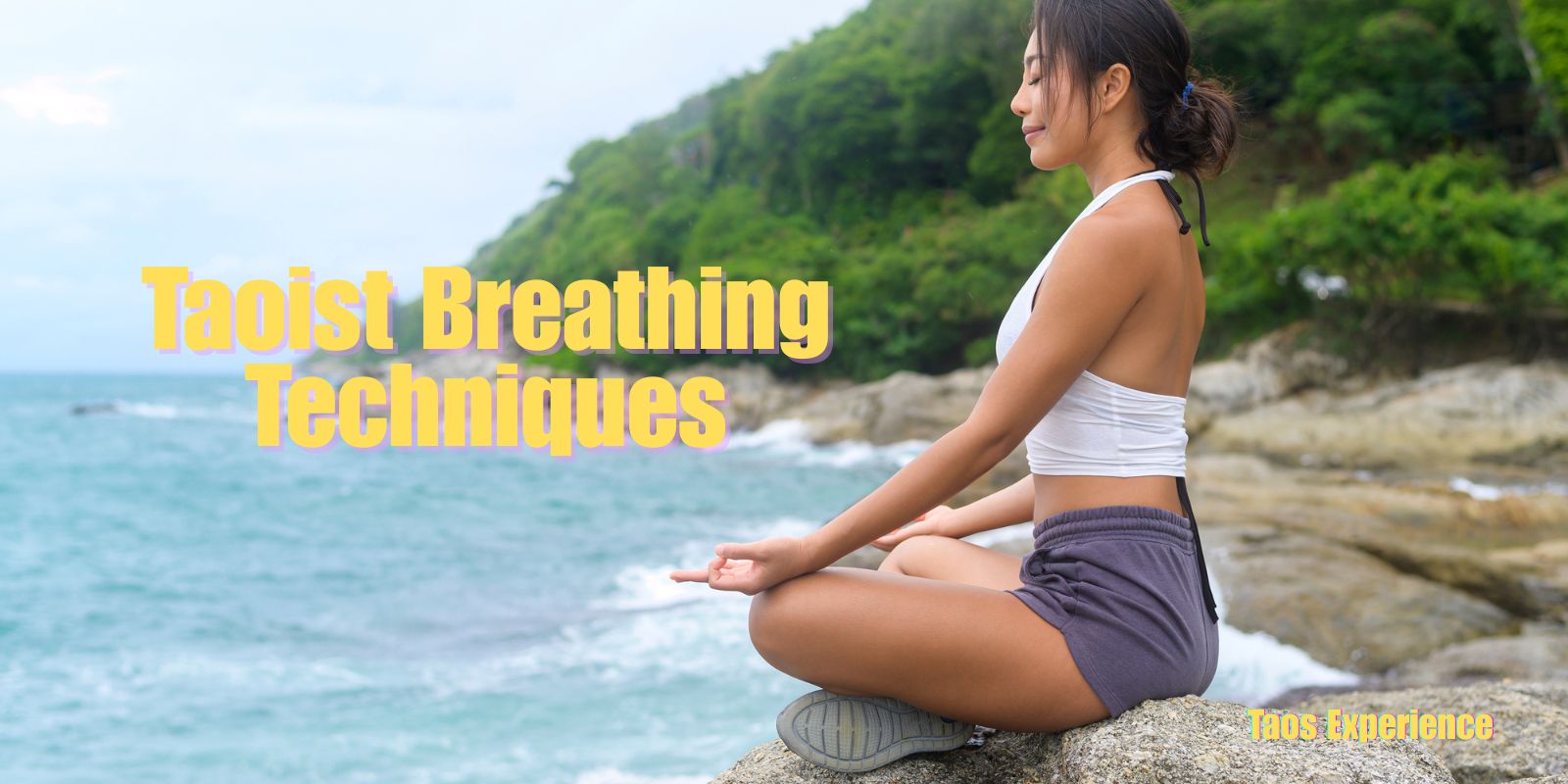
Taoist Breathing Techniques for Meditation and Inner Balance
Taoist Breathing Techniques are subtle yet powerful practices designed to cultivate internal energy, regulate the nervous system, and support meditative awareness. Unlike forceful breathwork styles, Taoist methods emphasize softness, depth, and continuity. The breath becomes a bridge between body and mind, guiding attention inward. When practiced consistently, these techniques strengthen emotional steadiness and restore a sense of grounded presence that many people feel they have lost in modern life.
From a psychology-informed perspective, breathwork directly influences the autonomic nervous system. Slow, diaphragmatic breathing increases parasympathetic tone, which reduces stress reactivity and enhances emotional regulation. In meditation, this physiological shift allows for deeper focus and less intrusive thinking. Taoist Breathing Techniques therefore serve not only spiritual development but also relational stability, helping practitioners remain calm and connected during daily challenges.
Table of Contents – Taoist Breathing Techniques
- Foundations of Taoist Breathing Techniques
- Nervous System Regulation and Breath
- Core Taoist Breathing Methods
- Energy Flow, Chi, and Meditation
- Integrating Breath into Daily Life
- Breathwork, Attachment, and Emotional Safety
- Key Takeaways
- Frequently Asked Questions
Foundations of Taoist Breathing Techniques
Taoist Breathing Techniques originate from ancient Daoist internal alchemy traditions. The breath is viewed as a vehicle for cultivating chi, or life force energy. Rather than manipulating the body aggressively, these practices refine awareness. According to explanations like those in three-part Daoist breathing, breath is layered and sequential, expanding the abdomen, ribs, and chest in a smooth wave. This wave-like pattern promotes relaxation and continuity of attention.
Traditional Taoist teachings also describe variations such as abdominal, reverse, and vase breathing. A clear overview can be found in this explanation of Taoist breathing methods. Each technique serves a specific energetic function. Abdominal breathing builds grounding, reverse breathing intensifies internal heat, and vase breathing contains and circulates energy. In my studies, I’ve noticed that beginners benefit most from mastering simple abdominal breathing before progressing to more complex methods.
Nervous System Regulation and Breath
From a physiological standpoint, Taoist Breathing Techniques stimulate the vagus nerve through diaphragmatic expansion. This activation shifts the body from sympathetic fight-or-flight responses toward parasympathetic rest-and-digest states. When breath slows and deepens, heart rate variability improves, signaling resilience. One pattern I’ve noticed clinically is that clients who practice steady breathwork experience fewer emotional spikes during conflict.
This regulation has profound relational implications. Attachment security depends on a stable nervous system. When breath becomes shallow, the body interprets threat, even in neutral situations. By consciously slowing respiration, practitioners create internal safety. Over time, this internal stability translates into calmer communication and stronger emotional boundaries.
Breathing also enhances interoception, the awareness of internal sensations. Meditation grounded in Taoist Breathing Techniques strengthens this sensitivity. Instead of dissociating from discomfort, practitioners remain present with it. That presence fosters resilience and reduces avoidance behaviors that often undermine intimacy.
Core Taoist Breathing Methods
Abdominal breathing forms the foundation. The lower belly expands on inhalation and gently contracts on exhalation. This movement massages internal organs and anchors attention in the lower dantian, the energetic center below the navel. In my experience guiding meditation groups, focusing here reduces racing thoughts and stabilizes attention more effectively than concentrating solely on the nostrils.
Reverse breathing involves gently drawing the abdomen inward during inhalation and expanding on exhalation. This subtle reversal increases internal pressure and can stimulate energetic circulation. It requires patience and should never feel forced. When practiced skillfully, reverse breathing builds vitality without agitation.
Vase breathing, often used in advanced meditation, contains the breath momentarily in the lower abdomen. The practitioner visualizes energy condensing and refining. This technique should be approached gradually. Gentle containment supports focus, while excessive strain may create tension. The principle remains consistent: softness precedes strength.
Energy Flow, Chi, and Meditation
Taoist Breathing Techniques are inseparable from meditation. Breath becomes the conductor of chi, guiding energy through meridians and subtle pathways. Many practitioners report sensations of warmth, tingling, or grounded heaviness during sustained practice. These sensations often correspond to increased circulation and focused attention rather than mystical events.
Energetic awareness deepens spiritual insight. Some individuals notice that breathwork coincides with shifts described in sign of spiritual awakening reflections. However, it is important to remain psychologically grounded. Experiences should be integrated gradually, without overinterpretation. Breath anchors insight in embodiment.
Grounding practices, such as strengthening the base of the body, support energy work. The lower centers discussed in root chakra for the novice teachings align with Taoist emphasis on the lower dantian. Stability at the base ensures that expanded awareness does not become dissociation.
Integrating Breath into Daily Life
Meditation sessions are valuable, yet integration into daily routines matters more. Taoist Breathing Techniques can be practiced during walking, before meetings, or while resting in silence. In my studies, brief pauses of five conscious breaths throughout the day significantly reduced stress accumulation.
For those exploring intimacy practices, breath coordination can enhance embodied pleasure. Subtle breathing rhythms influence arousal patterns, as explored in discussions about how tantric yoga affects orgasms. Synchronizing breath with sensation increases awareness without overwhelming the nervous system.
Consistency builds neural pathways. A few minutes daily often yields greater benefit than sporadic long sessions. The body learns safety through repetition. Over time, calm breathing becomes automatic under stress.
Breathwork, Attachment, and Emotional Safety
Attachment theory teaches that emotional safety depends on regulation. When partners escalate during disagreement, shallow breathing often precedes reactive speech. Practicing Taoist Breathing Techniques together can create co-regulation. Shared slow breathing synchronizes heart rhythms and reduces defensiveness.
One pattern I’ve noticed in couples therapy is that when individuals learn to pause and breathe before responding, arguments de-escalate rapidly. Breath interrupts impulsive reactions. It creates space for reflection. In this sense, Taoist methods are not only meditative tools but relational stabilizers.
Taoist Breathing Techniques: Cultivating Calm Strength
Taoist Breathing Techniques offer more than relaxation. They cultivate grounded vitality, emotional steadiness, and subtle awareness. With patient practice, breath becomes a reliable anchor through stress, intimacy, and spiritual growth. Rather than chasing dramatic experiences, you develop quiet resilience. The transformation is gradual and embodied. Each breath refines attention, each pause builds trust in your own nervous system. Over time, this steady rhythm becomes a foundation for balanced living.

Key Takeaways
- Taoist Breathing Techniques regulate the nervous system through diaphragmatic control.
- Abdominal breathing builds grounding and emotional stability.
- Reverse and vase breathing refine energetic awareness gradually.
- Consistent practice strengthens attachment security and relational calm.
- Integration into daily life creates sustainable resilience.
Frequently Asked Questions – Taoist Breathing Techniques
What are Taoist Breathing Techniques?
They are ancient Daoist methods that use controlled diaphragmatic breathing to cultivate energy, focus, and emotional regulation.
Are these techniques safe for beginners?
Yes, especially abdominal breathing. Advanced methods should be practiced gently and progressively.
How long should I practice daily?
Five to fifteen minutes of consistent practice is often sufficient to notice benefits.
Can breathwork improve relationships?
Yes. Regulated breathing supports calmer communication and reduces reactive conflict patterns.
Do Taoist Breathing Techniques increase energy?
With steady practice, many people report improved vitality and balanced focus.