
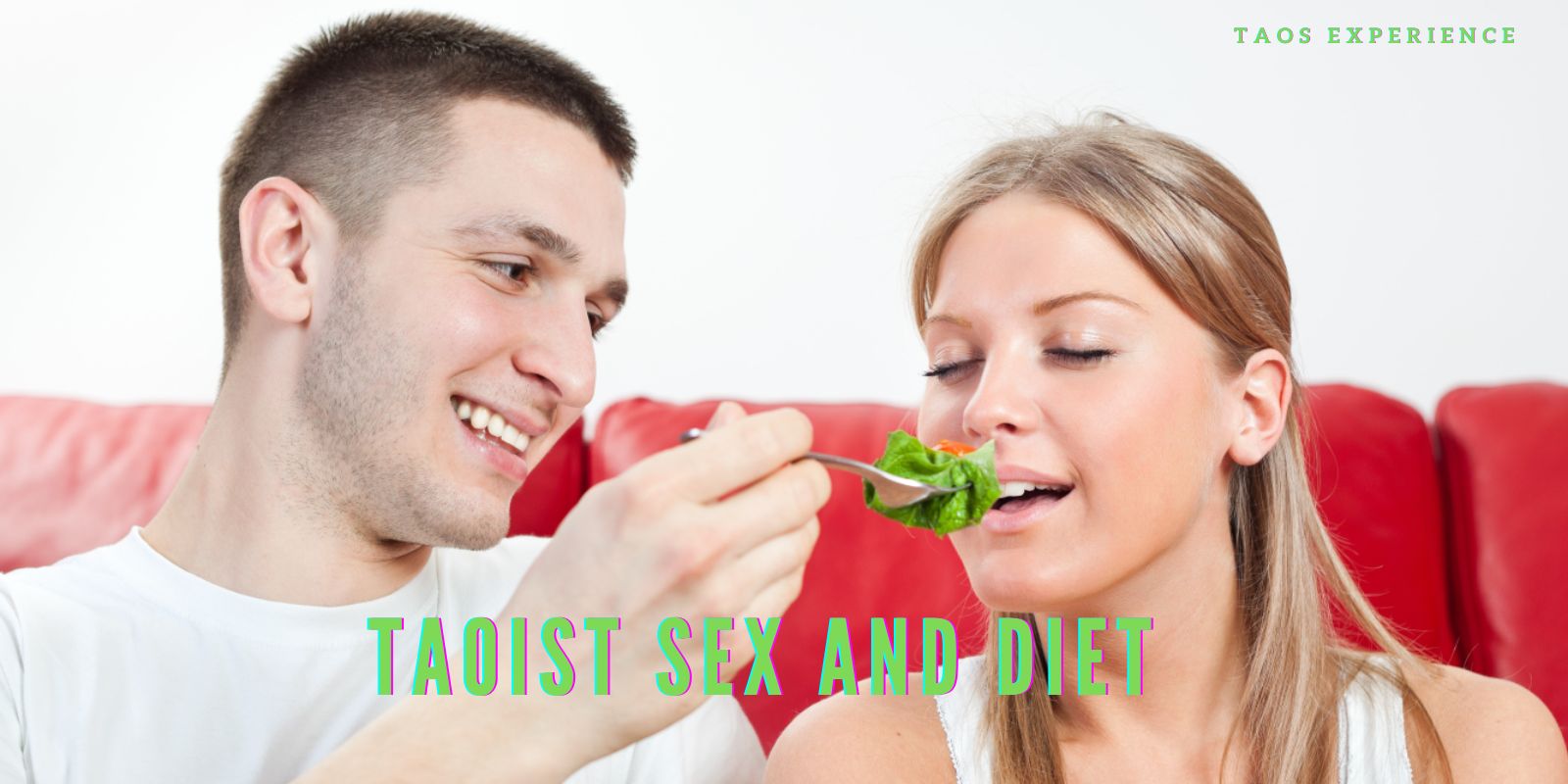
Taoist Sex and Diet: Nourishing Sexual Energy Through Ancient Wisdom
Taoist Sex and Diet is an ancient philosophy that connects nutrition, vitality, and sexual energy. Taoist-teachings emphasize balanced foods, hydration, breathwork, and emotional awareness to cultivate life force energy known as qi. By supporting the body’s nervous system and energy flow, individuals can improve intimacy, longevity, and overall wellbeing while maintaining harmony between physical health and spiritual growth.
The connection between food, vitality, and sexuality has been recognized across cultures for centuries, yet few traditions explore it as deeply as Taoist philosophy. In Taoism, sexual energy is not simply about physical desire. It is considered a form of life force that influences emotional wellbeing, longevity, and spiritual development. When the body is nourished with the right foods and balanced lifestyle practices, sexual vitality naturally becomes stronger and more sustainable.
Modern psychology and nervous system research support this ancient insight in surprising ways. The foods we eat influence hormones, circulation, mood, and stress levels, all of which shape sexual energy and intimacy. When people feel nourished and regulated, their bodies move away from survival mode and toward connection. Taoist teachings describe this shift as the smooth circulation of qi, the body’s vital energy.
Table of Contents – Taoist Sex and Diet
- Understanding Taoist Philosophy and Sexual Energy
- How Diet Influences Sexual Vitality
- Key Foods That Support Taoist Sexual Energy
- Mind-Body Regulation and the Nervous System
- Relationships, Intimacy, and Energy Exchange
- Applying Taoist Principles in Modern Life
- Key Takeaways
- Frequently Asked Questions

Understanding Taoist Philosophy and Sexual Energy
Taoist teachings view sexuality as an expression of the body’s life force rather than a purely physical activity. The concept of qi describes the subtle energy that moves through the body, influencing health, emotional stability, and vitality. According to core Taoist beliefs about life and balance, maintaining harmony between yin and yang energies allows this life force to circulate smoothly.
In my studies of Eastern philosophy, one pattern I’ve noticed is how consistently Taoist teachings emphasize moderation rather than restriction. Sexual energy is not something to suppress or indulge excessively. Instead, it is something to cultivate with awareness. Balanced nutrition, calm breathing, and emotional regulation all contribute to maintaining a healthy flow of energy.
Historical texts also highlight how sexuality was integrated into overall health practices. A fascinating discussion of this tradition can be found in this overview of Taoist manuals on sexuality and longevity. These writings reveal how diet, breathing, and intimacy were seen as interconnected aspects of vitality.
How Diet Influences Sexual Vitality
Modern science increasingly confirms what Taoist practitioners recognized centuries ago: nutrition strongly influences sexual health. Blood circulation, hormone production, and nervous system balance all depend on the nutrients we consume. Diets rich in whole foods and healthy fats support circulation and hormone regulation, which in turn enhances libido and endurance.
One pattern I often observe when working with wellness clients is how energy levels shift after dietary improvements. When processed foods are reduced and hydration increases, people often report better mood stability and stronger desire for connection. This makes sense neurologically because stable blood sugar and reduced inflammation help regulate the nervous system.
Resources such as this overview of Taoist sexual practices describe how nourishment supports the cultivation of qi and jing, the vital essence associated with longevity. When diet supports these systems, sexual vitality becomes a natural outcome rather than something forced.
Key Foods That Support Taoist Sexual Energy
Taoist dietary traditions emphasize foods that nourish the kidneys, liver, and circulatory system. In Traditional Chinese Medicine these organs are closely associated with reproductive health and vitality. Nutrient-dense foods help maintain hormonal balance and support sustained energy throughout the body.
Several foods appear frequently in traditional Taoist nutrition practices because they support stamina, circulation, and hormone health.
- Leafy green vegetables that improve circulation and nutrient absorption
- Seafood rich in omega-3 fatty acids that support cardiovascular health
- Nuts and seeds containing zinc and magnesium for hormone production
- Adaptogenic herbs that help the body respond to stress
- Hydrating foods and herbal teas that support fluid balance
In my experience studying nutrition and mindfulness practices, the most important factor is consistency. Small daily habits—such as increasing hydration or adding nutrient-rich vegetables—often create noticeable improvements in vitality within a few weeks.
Mind-Body Regulation and the Nervous System
Sexual wellbeing is deeply connected to the nervous system. When the body is chronically stressed, the sympathetic nervous system remains activated, placing the body in survival mode. In this state, intimacy and pleasure naturally decline because the brain prioritizes safety rather than connection.
Taoist practices emphasize breathing and relaxation techniques to support parasympathetic nervous system activation. Slow abdominal breathing signals safety to the brain, allowing the body to relax and reconnect with sensation. Many people are surprised by how quickly breath awareness can shift their emotional state.
In my studies of somatic practices, one pattern I’ve noticed is that nourishment and nervous system regulation work together. When the body receives proper nutrients and hydration, breathing becomes deeper and more relaxed. This combination helps sexual energy flow more naturally rather than feeling forced or performance-driven.
Relationships, Intimacy, and Energy Exchange
Taoist traditions place strong emphasis on relational harmony. Sexual connection is seen as an energetic exchange between partners rather than an individual act. When both partners feel emotionally safe and respected, intimacy becomes a shared experience that strengthens connection.
This perspective aligns closely with modern attachment theory. Individuals who feel secure in their relationships tend to experience deeper emotional intimacy and more satisfying sexual experiences. In contrast, unresolved stress or conflict can disrupt both emotional and physical connection.
Interestingly, broader relationship dynamics also influence sexual wellbeing. Discussions around connection and compatibility are explored in articles such as why dating can feel challenging in modern relationships. Understanding emotional patterns can often improve both communication and intimacy.
Applying Taoist Principles in Modern Life
Integrating Taoist principles into everyday life does not require strict adherence to ancient rituals. Instead, it often begins with simple awareness of how lifestyle choices influence energy levels and emotional balance. Nutrition, hydration, movement, and mindfulness practices can all support the body’s natural vitality.
Energy awareness practices such as meditation or breathwork can also enhance body awareness. Exploring methods for regulating internal energy, like those described in energy balancing and chakra tuning practices, can complement Taoist approaches by strengthening overall energetic awareness.
What matters most is developing sustainable habits that nourish both body and mind. Over time, these practices cultivate a sense of stability, vitality, and emotional openness that naturally enhances intimacy and connection.
Taoist Sex and Diet
The wisdom of Taoist Sex and Diet reminds us that vitality does not come from quick fixes but from long-term care of the body and mind. When nourishment, emotional awareness, and mindful intimacy are practiced together, sexual energy becomes a natural expression of overall wellbeing rather than a separate pursuit.
By paying attention to how diet influences mood, energy, and connection, we begin to see sexuality as part of a broader ecosystem of health. The body thrives when its basic needs are met with consistency and respect.
Key Takeaways
- Taoist teachings view sexual energy as a life force connected to overall vitality and longevity.
- Balanced nutrition supports hormones, circulation, and nervous system regulation.
- Whole foods such as greens, seafood, nuts, and seeds help sustain sexual vitality.
- Breathing practices and emotional safety regulate the nervous system and enhance intimacy.
- Healthy relationships and mindful lifestyle habits strengthen the energetic exchange between partners.
Frequently Asked Questions – Taoist Sex and Diet
What is Taoist Sex and Diet?
Taoist Sex and Diet is a holistic philosophy that connects nutrition, sexual energy, and longevity through balanced lifestyle practices.
How does diet influence sexual energy?
Nutrition affects hormones, blood circulation, and mood regulation, all of which play important roles in sexual vitality and emotional connection.
Which foods support Taoist sexual health?
Foods such as leafy greens, seafood, nuts, seeds, and herbal teas are commonly associated with supporting vitality and circulation.
Can breathing practices improve sexual wellbeing?
Yes. Deep breathing activates the parasympathetic nervous system, helping the body relax and become more receptive to intimacy.
Is Taoist sexuality only about physical techniques?
No. Taoist teachings emphasize emotional harmony, nutrition, and mindfulness as essential foundations for healthy intimacy.