Two Paths to Harmony
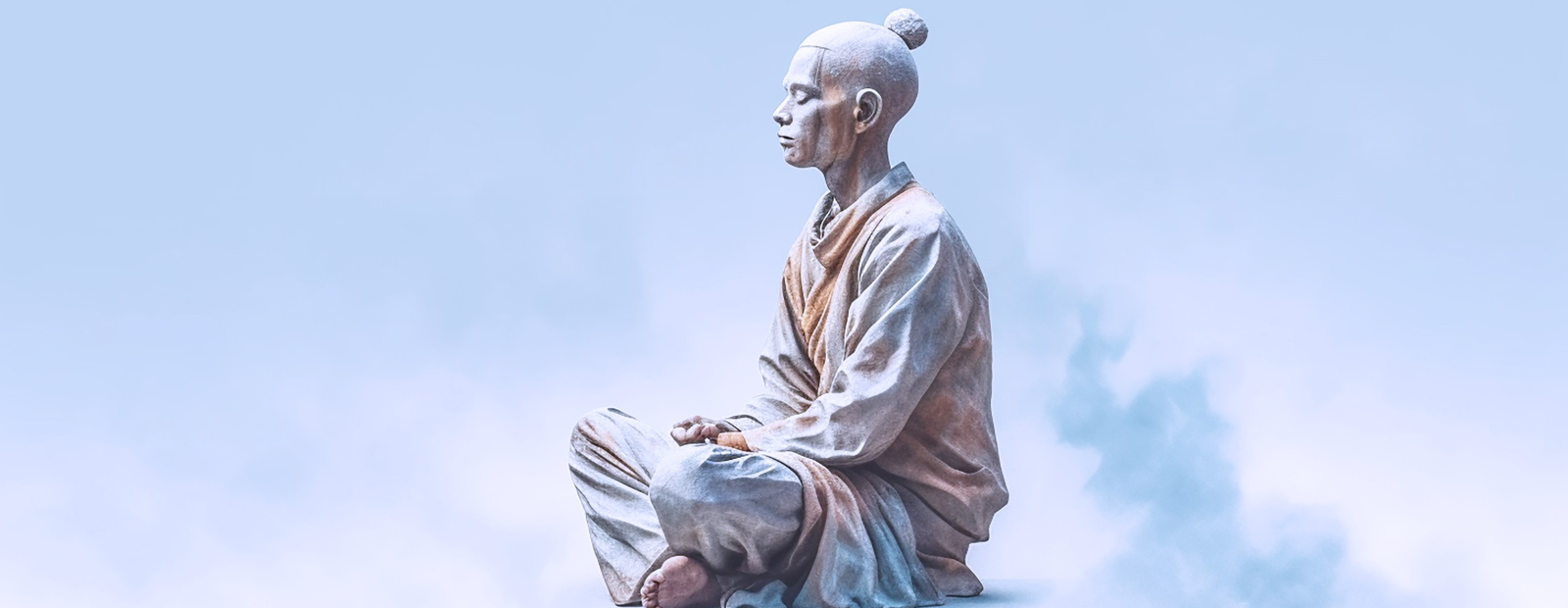
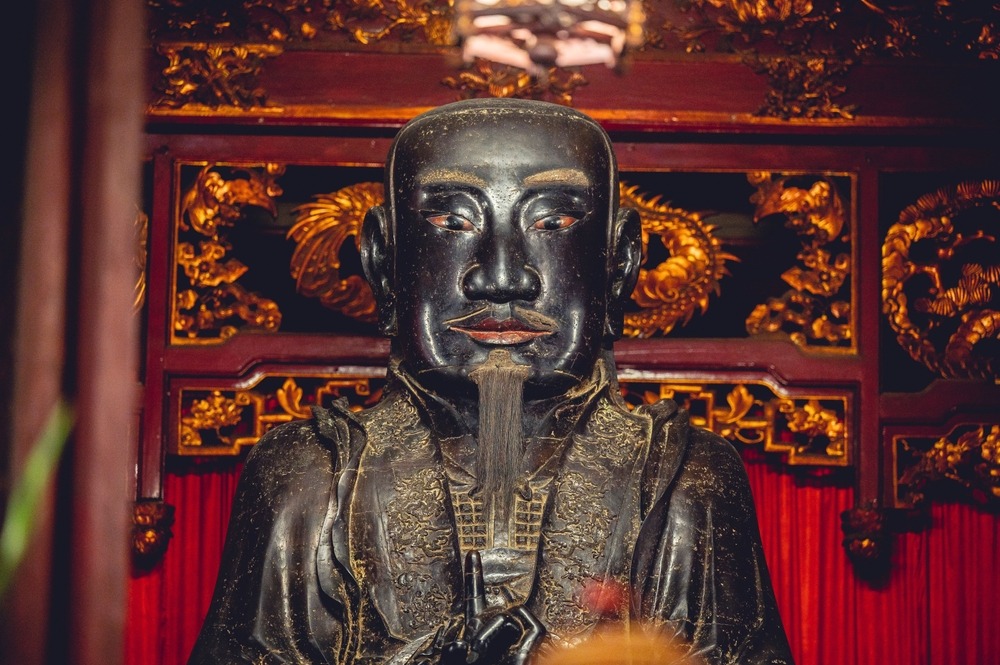
Confucianism and Taoism have been the most influential philosophical traditions in Chinese societies for centuries, and their impact remains evident throughout East Asian countries today. Though emerging from the same cultural matrix, these traditions represent fundamentally different approaches to understanding humanity’s place in the cosmos.
The Taoist Critique
Taoism views Confucianism with suspicion for its rational approach toward societal progression through moral values. According to Taoist philosophy, maintaining universal balance requires societies to follow nature’s inherent principles rather than imposing artificial structures. Taoism emphasises peace, vitality, flexibility, honourable communication, and actions guided by natural wisdom rather than intellectual constructs.
Historical Development
Taoism emerged after Confucianism had already established itself as a dominant philosophy. Certain philosophers who had studied Confucian social and moral values identified what they perceived as significant omissions in its worldview. Initially, Taoism sought to supplement Confucianism with additional moral insights but eventually diverged dramatically, moving away from Confucianism’s educational and prescriptive aspects.
The Meaning of Tao
“Tao” translates as “the right path” or “channel,” and its adherents believe that for genuine human flourishing, Taoism offers the superior approach because it maintains close alignment with nature. Unlike Confucianism, it doesn’t attempt to reshape individuals according to predetermined ethical models or impose changes on their natural temperaments and tendencies.
Lao Tzu’s Natural Way
Lao Tzu, Taoism’s founder, emphasised that nature represents one of the universe’s three fundamental forces – alongside expansive and contractive energies. He maintained that nature’s way remains unchanging and eternal. This contrasts sharply with Confucianism’s perspective that humans possess wisdom and must fully use their intellectual capacities to determine appropriate behaviour. The Confucian view holds that the human mind exists not merely to follow established patterns but to observe thoughtfully and make independent judgements.
Opposing Visions of Human Nature
According to Confucianism, while individuals possess innate virtuous tendencies and natural honesty, these qualities alone don’t guarantee success in society. Cultivation and education become essential to develop one’s potential fully. This directly contradicts the Taoist belief in the sufficiency of natural inclinations when allowed to express themselves without interference.
Philosophical Incompatibility
From analysing both philosophical traditions, it becomes evident that these two systems cannot easily coexist within the same social framework. They represent opposing approaches to virtually every aspect of human existence. While critics acknowledge the importance of both philosophical models, individuals must ultimately make decisions about how to live in ways beneficial both for themselves and others.
A Critical Assessment
Different philosophical lenses reveal different truths, but from a practical perspective, Confucianism arguably provides a more thorough societal approach for shaping human moral values. Confucianism offers purpose to lives and meaning to survival through its emphasis on relationships, ritual, and social responsibility. Understanding right and wrong requires careful consideration of specific societal needs and contexts – an area where Taoism’s rejection of social engineering may seem inadequate compared to Confucianism’s systematic ethical framework.
Beyond Simple Opposition
Despite this apparent critique, both traditions have contributed immeasurably to Chinese civilisation. Rather than seeing them as mutually exclusive, many scholars now recognise how they have historically complemented each other – Confucianism governing public and social life while Taoism addressed spiritual and personal dimensions. Together, they created a philosophical balance that has sustained Chinese culture through millennia of change and challenge.
The Living Legacy
The dialogue between these philosophical traditions continues to shape thought throughout East Asia. Their enduring relevance speaks to how they address fundamental human questions about our relationship to society, nature, and the cosmos – questions that remain as vital today as when these philosophies first emerged over two thousand years ago.