
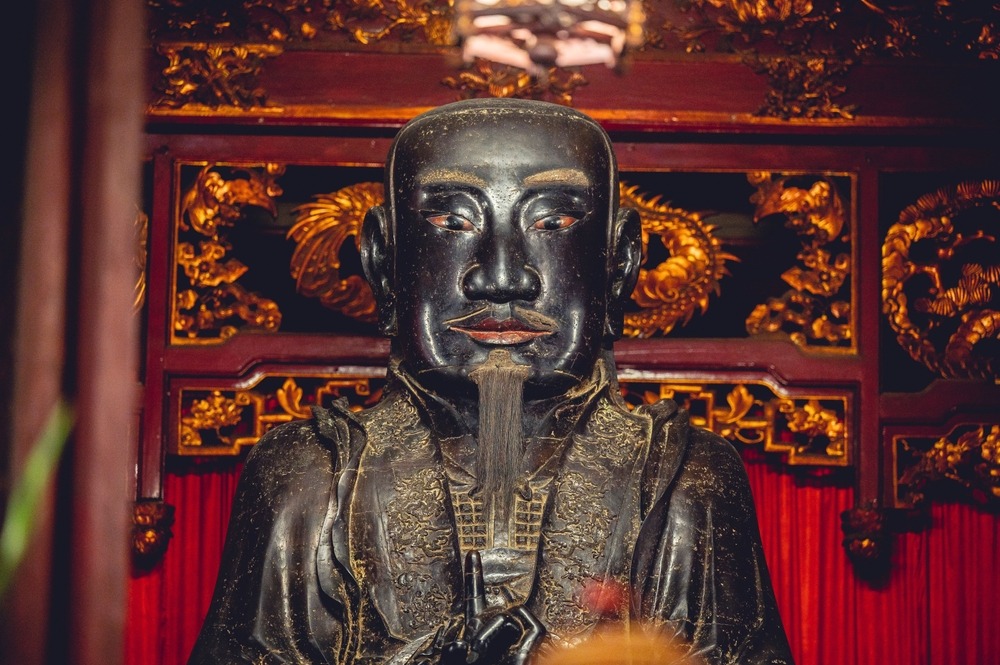
Tag: Taoist history
Our Taoist history posts trace how the Tao went from the teachings of Laozi to a living tradition with temples, monks and sacred mountains. We cover key dynasties, famous masters, the split between philosophical and religious Taoism, and places like Qingcheng Shan where practice still continues today. These articles favour clear stories over dry dates, so you get a feel for the people and places behind the ideas. Read them for context before you go deeper into Taoist practice.
-
by
Confucianism and Taoism: Ancient Rivals in Chinese Philosophy
Two Paths to Harmony Confucianism and Taoism have been the most influential philosophical traditions in Chinese societies for centuries, and their impact remains evident throughout East Asian countries today. Though emerging from the same cultural matrix, these traditions represent fundamentally different approaches to understanding humanity’s place in the cosmos. The Taoist Critique Taoism views Confucianism… Read More…
-
by
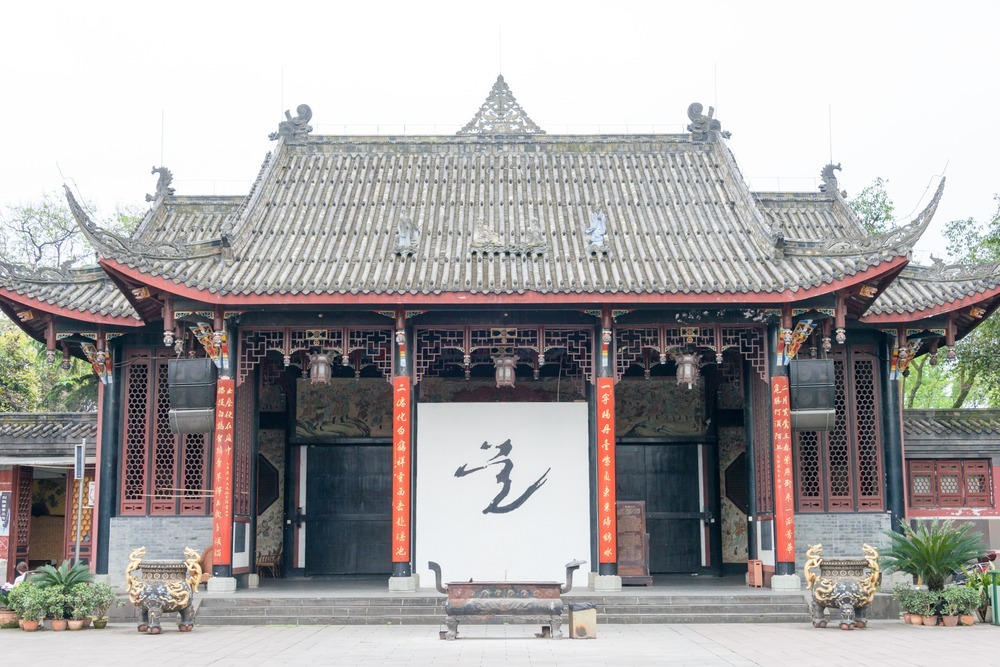
Qingcheng Shan: The Sacred Mountain Where Taoism Lives
The Holy Place Qingcheng Shan stands as a holy Taoist mountain, an early home to Taoism and its teachings dating back to approximately 100 AD. For any student or believer in Taoism, visiting this sacred site becomes both a revelation and catalyst for deeper understanding. After the public bus ride from Chengdu, visitors enter a… Read More…
-

by
About Taoism
道 I. Explore · About Taoism About Taoism Where the Way came from, what it teaches, and how to bring a little of it into an ordinary day. Choose a topic →Read the guide In this section Start here Four short guides to the roots of Taoism and how people live it today. 01 Understanding… Read More…
-

by
The History Of Taoism – Great Revealing Facts To Know
The Historical Foundations of Religious Taoism Ancient Chinese Religious Traditions The History Of Taoism roots extending approximately 1,800 years into China’s past. While Taoist philosophical concepts emerged much earlier, formal religious Taoism originated during the Eastern Han Dynasty (25-220 CE) when Master Zhang Taoling established the first organised Taoist religious community. Throughout its extensive development,… Read More…
Search the website
Blog Categories
- Chakra Healing (6)
- Energy Cultivation (2)
- Energy Healing (8)
- Guest Posts (16)
- Meditation & Mindfulness (1)
- Personal Growth (17)
- Relationships (2)
- Sexual Wellness (3)
- Spiritual Growth (5)
- Spiritual Psychology (3)
- Spiritual Wellness (3)
- Spirituality (9)
- Tantra & Sacred Sexuality (5)
- Tao Lifestyle (3)
- Taoism & Chinese Philosophy (4)
- Taoist And Buddhist Contacts (1)
- Taoist Philosophy (4)
- Taoist Practices (3)