
Tag: qi cultivation
Posts tagged qi cultivation cover the Taoist idea of qi, the life energy said to flow through the body, and how to build, store and move it. We explain what traditional texts say, what modern research does and doesn’t support, and how qi links to emotions, diet, sleep and sexual health. You’ll find gentle practices you can start at home, plus warnings about common mistakes. Read these if you feel drained, scattered or simply curious about energy work.
-
by
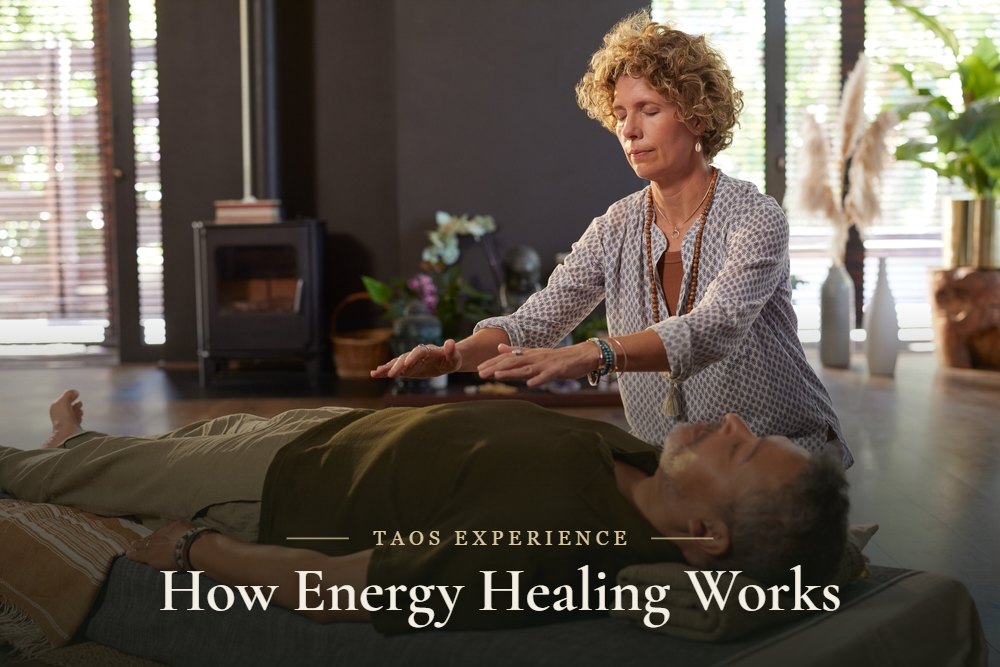
How Energy Healing Works: A Brain and Body Perspective
Energy Healing Explained: Chakras, Breath, and Awareness Energy healing explained through chakras, breath, and awareness reveals how subtle practices can regulate the nervous system, improve emotional resilience, and deepen self-connection in grounded, practical ways. Many people are drawn to energy work during periods of stress, heartbreak, or transition. They are not necessarily seeking magic; they… Read More…
-

by
The Truth About Qi and Emotional Health
Qi and Emotional Health in Taoist Philosophy Qi and emotional health are linked through energy flow and nervous system regulation. Taoist philosophy teaches that balanced Qi supports emotional resilience, while stagnant Qi contributes to stress and mood imbalance. From a modern psychological lens, Qi and emotional health can be understood through nervous system regulation. Emotional… Read More…
-
by
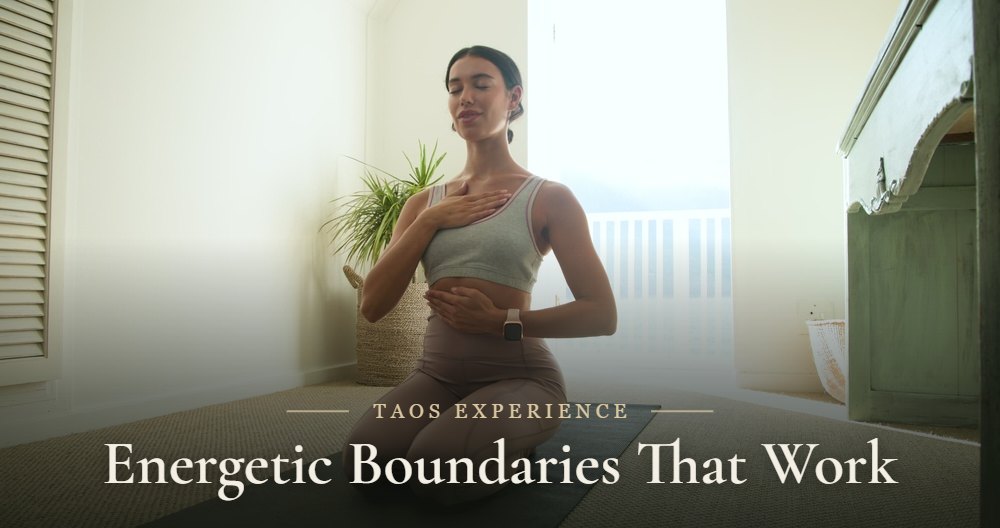
Reclaim Your Energy: Boundaries That Actually Work
The Science of Energetic Boundaries and Self-Protection Energetic Boundaries are rooted in nervous system regulation, emotional differentiation, and attachment health. When you strengthen your boundaries, you protect your energy, reduce emotional overwhelm, and cultivate relational clarity without shutting down connection. Energetic Boundaries are often described in spiritual language, yet they have very real psychological and… Read More…
-
by
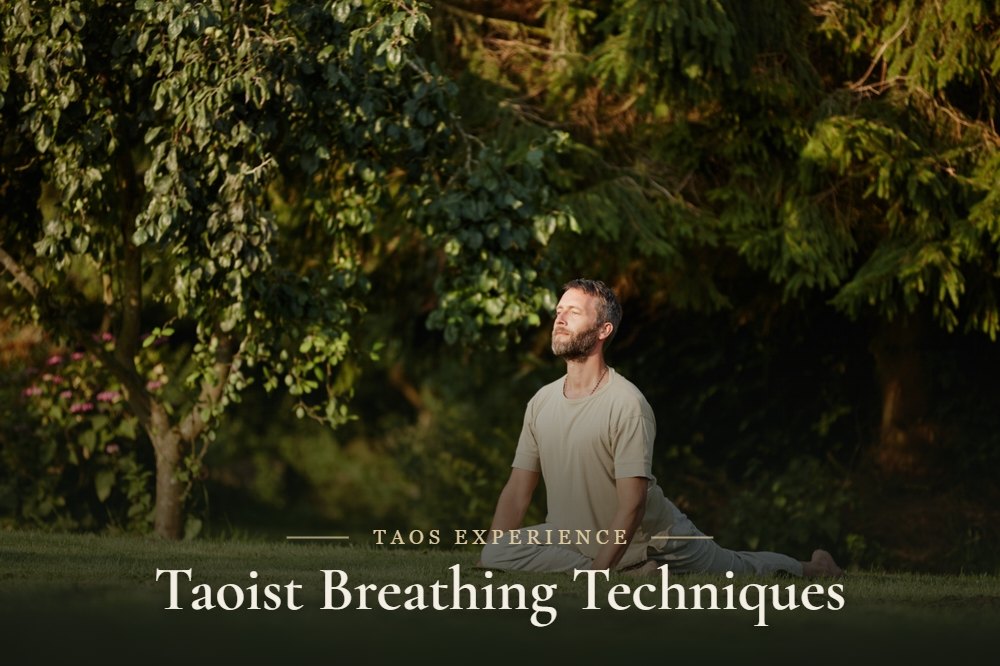
How to Practice Taoist Breathing Techniques
Taoist Breathing Techniques for Meditation and Inner Balance Taoist Breathing Techniques combine diaphragmatic control, energetic awareness, and meditative presence to regulate the nervous system, strengthen chi flow, and cultivate grounded emotional balance. These ancient methods support spiritual growth while improving psychological resilience. Taoist Breathing Techniques are subtle yet powerful practices designed to cultivate internal energy,… Read More…
-
by
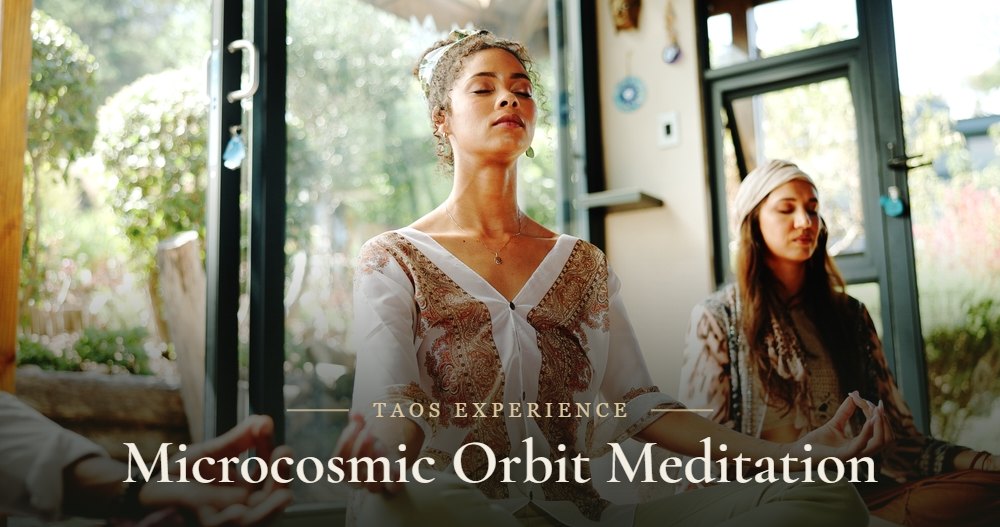
Awaken Your Inner Energy with Microcosmic Orbit Meditation
Microcosmic Orbit Meditation: Circulating Energy with Awareness and Safety Microcosmic Orbit Meditation is a Taoist energy cultivation practice that circulates chi along the spine and front body. It supports nervous system regulation, sexual energy control, emotional balance, and embodied awareness. When practised gently and consistently, it strengthens vitality while promoting psychological safety and internal connection.… Read More…
-
by
The Taoist Diet – Revealing Principles To Improve Your Life
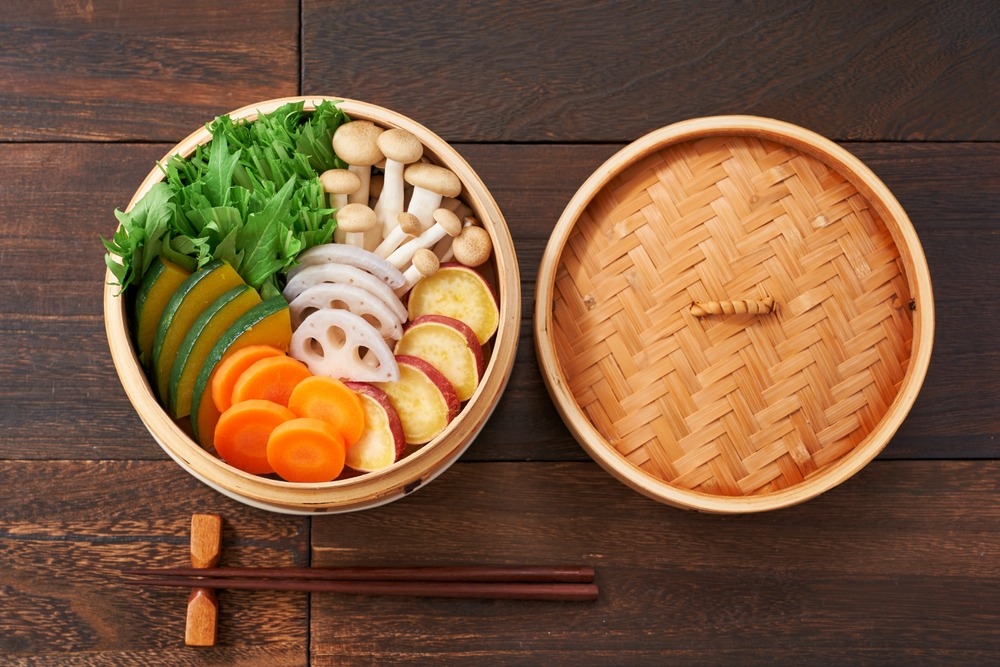
Embracing Balance and Harmony Through the Taoist Diet Today, everything is divided into good and bad. We categorise people, diets, and even habits into strict labels, creating a rigid view of health and wellness. The Taoist Diet, however, follows an entirely different philosophy. It is rooted in balance, harmony, and a deep connection with nature.… Read More…
-

by
Kung Fu Practice – Uplifting Balance & Harmony Is The Skill
The Harmonising Essence of Kung Fu Beyond Combat Balancing Yin and Yang Through Martial Practice Kung Fu Practice has a deeper purpose extends far beyond fighting techniques to embrace the fundamental Taoist principle of harmony through balanced opposites. At its philosophical core, this martial tradition recognises that true mastery comes only through cultivating equilibrium between… Read More…
-

by
Qigong Training – Wonderful Qi To Condition The Body
The Six Stages of Qigong Practice Through a Taoist Lens The Developmental Path of Energy Cultivation Qigong training follows a structured progression based on Taoist principles, unfolding through six fundamental stages that guide practitioners from basic energy awareness to advanced mastery. This systematic approach reflects the Taoist understanding that spiritual development occurs through natural, sequential… Read More…
-
by
The Taoist Diet – Surprising Fundamentals That Really Work
The Taoist Approach to Nourishment Understanding the Philosophical Foundation To grasp the essence of the Taoist diet, one must first understand the fundamental principles of this ancient wisdom tradition. Taoism emerged from the heart of East Asian and Chinese culture, with roots extending back approximately 2,000 years. While its influence remained primarily regional for centuries,… Read More…
Search the website
Blog Categories
- Chakra Healing (6)
- Energy Cultivation (2)
- Energy Healing (8)
- Guest Posts (16)
- Meditation & Mindfulness (1)
- Personal Growth (17)
- Relationships (2)
- Sexual Wellness (3)
- Spiritual Growth (5)
- Spiritual Psychology (3)
- Spiritual Wellness (3)
- Spirituality (9)
- Tantra & Sacred Sexuality (5)
- Tao Lifestyle (3)
- Taoism & Chinese Philosophy (4)
- Taoist And Buddhist Contacts (1)
- Taoist Philosophy (4)
- Taoist Practices (3)